EEVEE Next closes the realism gap, and real-time just got serious
Blender's rebuilt ray-traced engine shipped with unlimited lights and screen-space reflections. For studios balancing speed and fidelity, the rules just changed.
Blender 4.2 shipped EEVEE Next in July 2024, and twenty months later it is the thing everyone actually uses. Screen-space ray tracing for every material. Unlimited lights. Virtual shadow maps that hold soft shadows without jittering. Real-time displacement. Viewport motion blur. The feature list reads like someone asked what held real-time rendering back and built the fixes.
The catch everyone expected: performance would crater. It didn't. EEVEE Next traded the old rasterization pipeline for one that screens the tracing, so reflection, refraction, and global illumination happen in screen space rather than full-world space. That trades some accuracy for speed, which is the entire point. You get 95 percent of the realism at 70 percent of the cost.
What changed
The old EEVEE was good at stylised work and quick previz. You knew what you were getting: screen-space reflections that broke at edges, baked global illumination, lights that needed careful placement. It was honest work. EEVEE Next is not that engine anymore. Scenes lit with ten point lights render without hesitation. Reflections stay coherent. Subsurface scattering works on any material. The engine stopped apologising for being real-time.
Unreal Engine 5.5 landed this year with Lumen improvements of its own, including a reflection denoiser that sharpens low-roughness reflections. That is not competition, it is confirmation: the industry believes real-time ray tracing is table stakes now. Godot 4.x ships screen-space reflections and SDFGI that let you build photorealistic environments without the Unreal license fee, though the visual ceiling is lower. Vision For Xperiences works at the scale where Blender still does the heavy lifting for previz and exploration, and whatever we quote gets built in something else. But EEVEE Next just changed that math. We are watching closely whether a client project could run live on EEVEE rather than baking out to a game engine.
Where it still breaks
Screen-space tracing has real limits. Rays that leave the screen do not bounce. Reflections on glossy surfaces will miss objects at certain angles. If you are shooting a close-up of a mirror or crystal, you will see the seams. The denoiser helps, but it is not solving the fundamental constraint. You need an artist who understands the technique to light and material the scene so the weaknesses stay offscreen.
That is not a flaw, it is a skill. Vision For Xperiences builds interactive installations and real-time experiences, and the rule is always the same: the camera matters. Light for where the camera goes, shade for what the camera sees. EEVEE Next respects that. The engine does not pretend to be Cycles. It admits what it is.
Who uses this
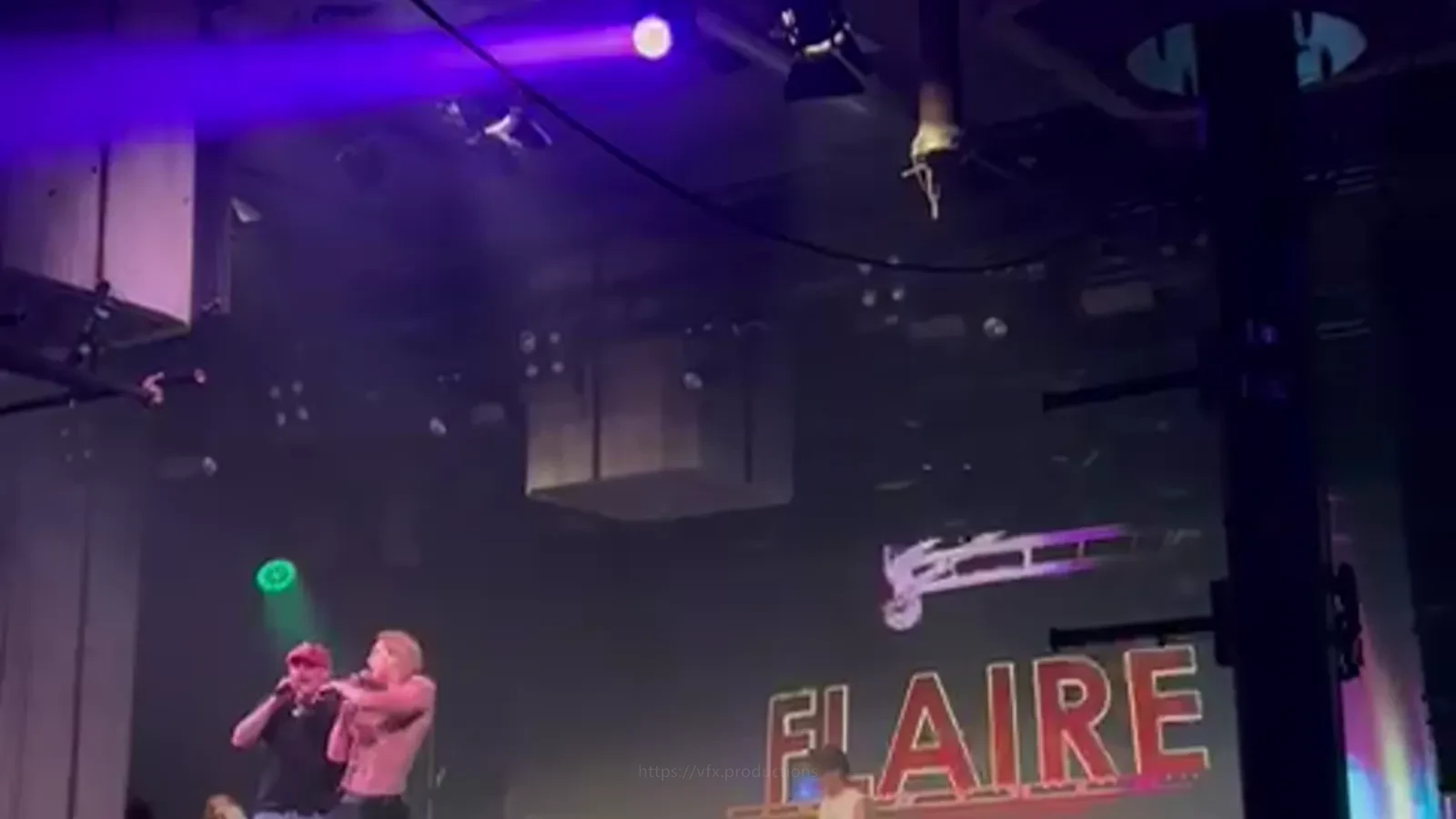
Archviz practices have already shifted. Real-time walkthroughs of a building in EEVEE now ship where static renders used to. Motion designers building stage worlds and event visuals have moved over. We built show content for a night at AFAS Live in Blender, and at that scale and speed, EEVEE Next would have changed how we lit it.
The gap between previz and final render is closing. That matters for studios and freelancers who cannot afford to bid a job in Unreal or maintain that pipeline. Blender gets to say it can ship product, not just exploration. Unreal gets to push harder into virtual production and live capture, which is where the money is anyway.
What it means
Real-time rendering stopped being a compromise three engines ago. First Unreal closed the realism gap. Then Godot made the budget access real. Now EEVEE Next made the software free and the image fidelity honest. The excuses are gone. If your project needs to render faster than a ray tracer can manage, you have options. Pick one that fits the art direction, not the vendor.
We are not saying studios should abandon the engines they know. But if you are starting something today and the timeline demands real-time or live interactivity, the choice is wider and the quality floor is higher. We handle work at the budget level where these tools matter, and EEVEE Next landing this way means more of those projects just became easier to quote.
Quick answers
Can EEVEE Next replace Unreal for my project?
Depends on scale and photorealism. EEVEE excels at stylised work, archviz, and motion design. If you need cinematic character fidelity at film resolution, Unreal is still the standard. EEVEE Next is best where the art direction matches its strengths, not where you are chasing realism alone.
Is screen-space ray tracing a real limitation?
Yes, but honestly. Rays that leave the screen do not bounce back, and reflections can miss objects at certain angles. That is not a bug, it is how the technique works. Skilled lighting and material work makes it invisible. It is a different tool, not a broken one.
Do I need a beefy GPU?
EEVEE Next scales well. It runs on modest hardware much better than full ray tracing, though faster GPUs make the viewport snappier. For production render, you would still lean on CPU rendering for film-quality output.
Referenced
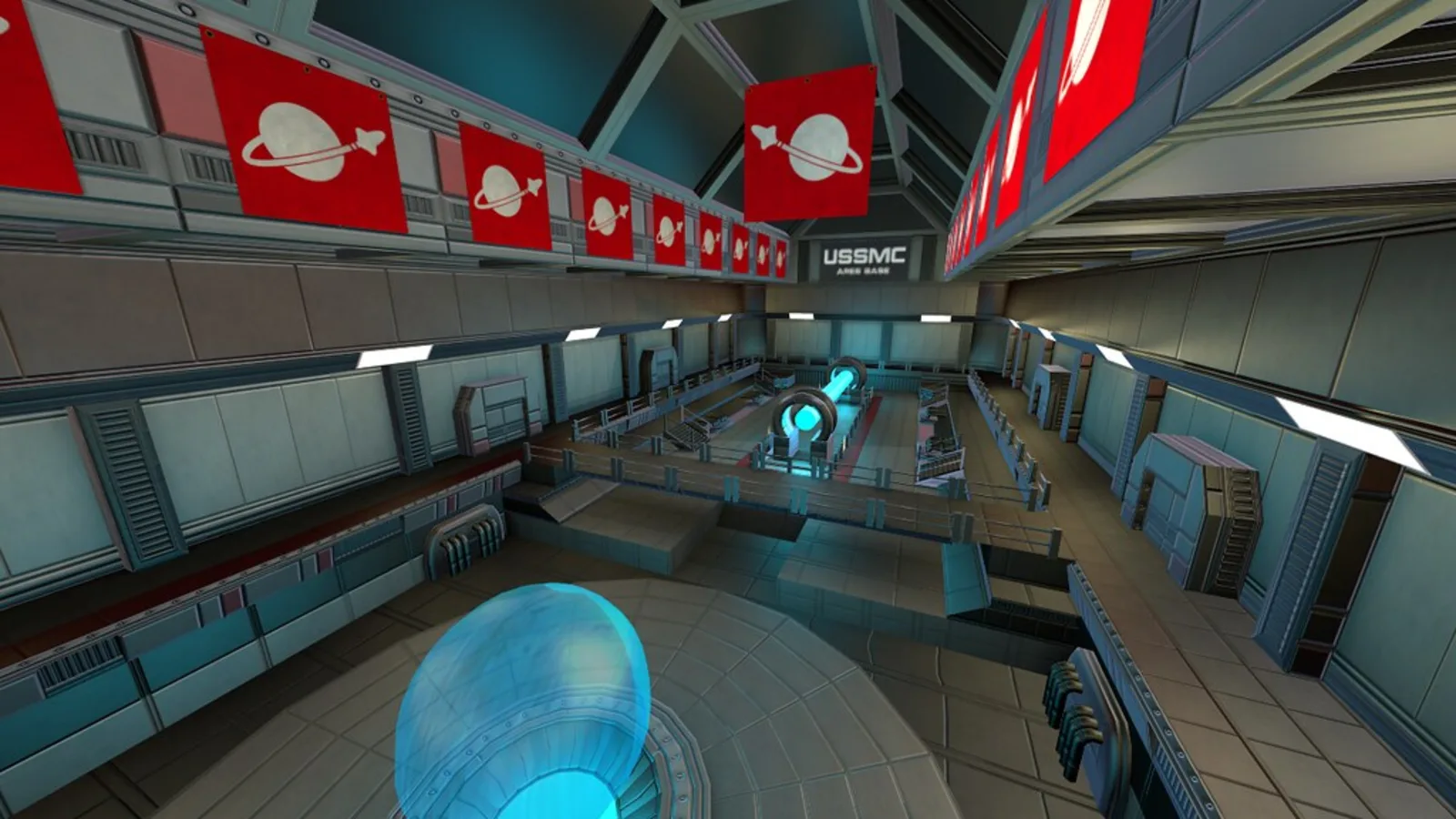
Image: “Space Marines Game Environment” by HJ Media Studios, via source. Licensed CC BY-SA 2.0.
Tell us what you are making.
We cover VFX, 3D animation, live visuals, interactive installations and licensed drone work under one roof, at budgets from small one-off jobs upward. Send a brief and you get a real answer within 48 hours.