Luxury brands are betting on digital avatars and virtual try-on at scale
When Victoria Beckham and OTB Group launched AI try-on tools in 2026, it became clear that rendered shopping is no longer a gimmick.
In 2026, luxury fashion made a quiet shift from novelty to requirement. Victoria Beckham partnered with DRESSX to launch an AI-powered try-on tool that renders how garments move on a shopper's personalized 3D avatar. OTB Group (Diesel, Margiela, Jil Sander) went live with Google Cloud's Virtual Try-On API. DRESSX now works with Windsor, Depop, and Loulou de Saison. The data is what matters here: luxury shoppers who engage with virtual try-on are 10 times more likely to convert, and the technology cuts returns by 36 percent.
That's not a boutique feature anymore. That is the fitted-changing-room floor, compressed into a 3D rendering pipeline.
Why this is hard, and why it works
Virtual try-on is not a simple render. Body-mapping software has to guess how a specific garment will sit on a specific person's silhouette in real time. The fabric simulation has to know how silk drapes differently than wool. The lighting has to flatter without lying. The avatar has to move when the shopper rotates the view, and the garment has to follow, not slide off or fold wrong. Most of the difficulty is invisible to the shopper, which is when you know it works.
Luxury brands are willing to fund this because the alternative is return costs and customer friction. A woman who buys a Prada bag without trying it risks disappointment. A woman who sees that bag on her own digital avatar, rotating it in 3D, adjusting it on her own shoulders, is less likely to send it back. For high-ticket goods, that math closes a lot of doors that used to stay open.
The bottleneck no one talks about
Here is the catch. Virtual try-on at scale demands rendered product. A brand with 500 SKUs needs 500 digital garments, each one geometry-perfect, lit correctly, shadowed for every angle. That is not a one-weekend job. It is a retooling of how a luxury house photographs and archives its own inventory. Some brands are training their in-house teams on CLO Virtual Fashion and Marvelous Designer to build the assets themselves. Others are outsourcing to studios that specialize in digital clothing.
Vision For Xperiences works across product visualization and high-end animation briefs. When a luxury brand wants to launch virtual try-on, they need the rendering layer first. That is a studio problem, not a software problem. A render that looks good on a screen at 1200 pixels wide looks flat under the lighting in a real showroom. A fabric simulation that works in a demo can grind a mobile app to a halt if the geometry is bloated.
What shifts for makers now
The win here is specificity. Luxury brands are no longer asking whether virtual try-on is worth doing. They are asking how fast they can do it, and which studios can deliver rendered assets that don't embarrass them. That removes a huge permission-seeking barrier. A studio pitching virtual try-on in 2024 had to sell the idea. A studio pitching it now gets to pitch the execution.
Vision For Xperiences is watching this one closely because the intersection of live-rendered product and retail technology is where a lot of brief categories are going to converge. A brand that has invested in digital assets for e-commerce can run the same geometry through live event visuals, interactive installations, or short-form film content. The upfront rendering cost stays the same. The output multiplies.
What remains unsolved is speed. A luxury house still cannot turn a new design sketch into a ready-for-commerce 3D garment in a day. DRESSX reports working with brands on weeks-long asset pipelines. As generative 3D gets better, that window will shrink, and studios that can integrate new-garment renders into their retail pipeline before a piece hits physical stores will be the ones setting the pace.
Quick answers
Is virtual try-on actually reducing returns for luxury brands?
Yes. Brands using AI virtual try-on report 36% fewer returns overall, and 10 times higher conversion rates in luxury segments specifically. The effect is strongest when the digital garment is accurate enough that the shopper feels confident in the fit.
Can we use virtual try-on in our store, or is it online-only?
Both. Some brands are deploying virtual try-on on e-commerce sites, while others are installing smart mirrors in physical boutiques. Victoria Beckham and OTB Group have launched web-based versions; the smart-mirror deployments are still more boutique.
How long does it take to create 3D assets for a whole collection?
Most luxury brands report timelines in weeks for full collections, depending on collection size and complexity. That is a reason some brands are investing in in-house 3D design training, while others hire studios for the asset creation pipeline.
Referenced
- How To Drive Luxury Conversion Through AI-Powered Virtual Try-On
- AI Virtual Try-On Report 2026: Conversion, Returns & Fashion E-Commerce Insights
- Tech Tuesday: The Digital Twin Takeover
- Google Cloud Virtual Try-On Revolutionises Luxury Fashion
- Global Luxury Retail Trends 2026: How Luxury Players Shape the Future for All People
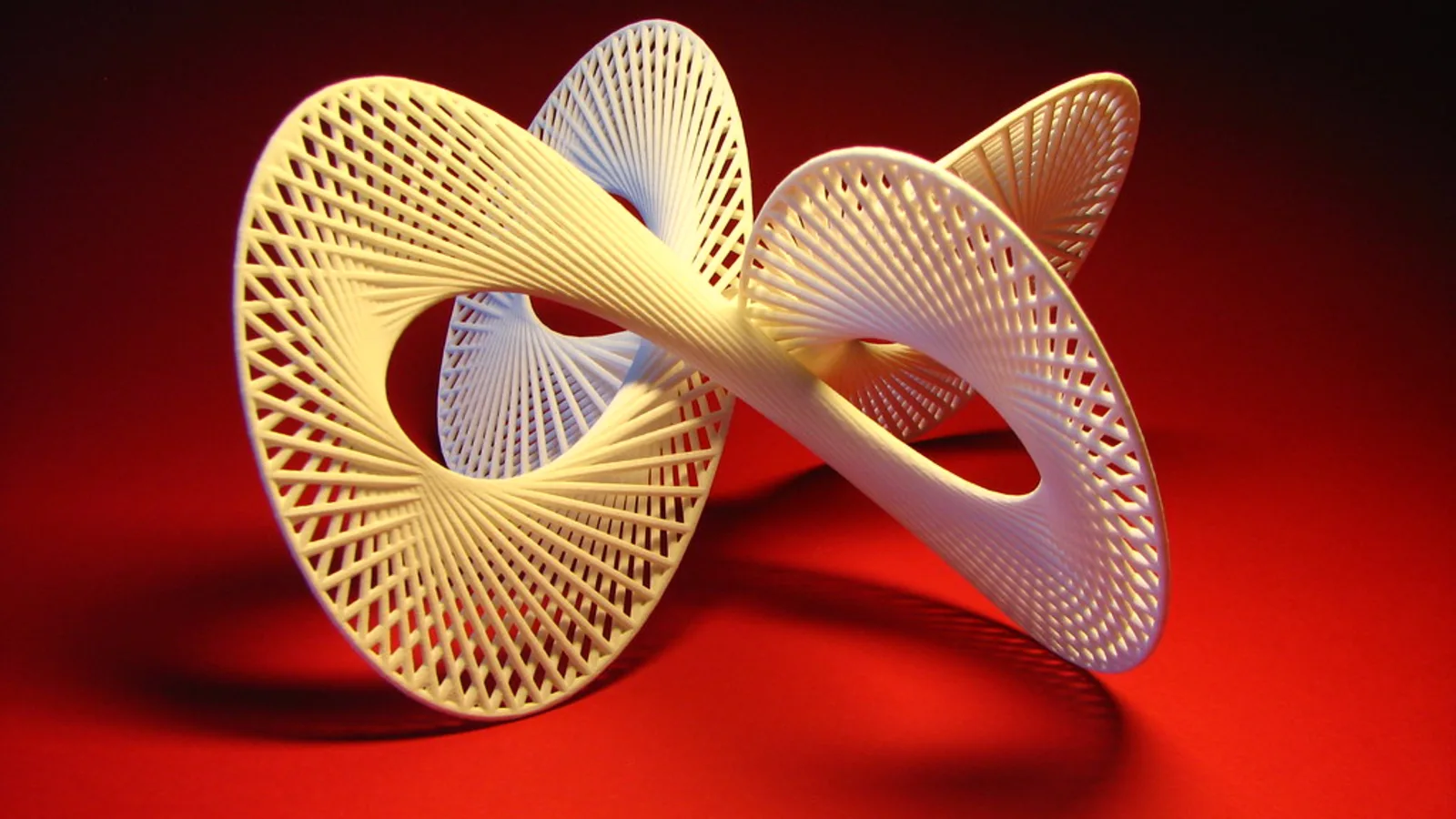
Image: from our own animation work. More about the studio.
Tell us what you are making.
We cover VFX, 3D animation, live visuals, interactive installations and licensed drone work under one roof, at budgets from small one-off jobs upward. Send a brief and you get a real answer within 48 hours.