Text prompts just learned to direct festival visuals in real time
Real-time graphics that respond to language input are moving from research demos to touring shows, collapsing the gap between live control and cinematic polish.
Real-Time Live at SIGGRAPH 2026 in July demonstrated a promptable AI camera system that rewrites what live festival visuals can do on the fly. Instead of pre-rendered content and fixed lighting cues, directors can type a description and watch avatars, backgrounds, and effects shift without touching a production rig. No render queue, no waiting for an operator to dial in parameters. Text in, visuals out.
This is not a marketing demo pretending edge cases are solved. The system works for the actual workflow festivals and touring shows care about: someone at the console needs to adjust the look between songs, the arena wants brand colors swapped in for sponsors, or the DJ asks for the background to match the current visual tone. Those moments typically mean either locking into pre-made clips or calling down to a VFX team with a live-render rig humming somewhere offstage.
What actually ships now
The promptable camera lets operators modify virtual camera direction, avatar appearance, and scene composition by typing instead of hunting through menus. Early tests show real-time response times that hold up during live playback. The system generates assets on demand rather than requiring every variation pre-baked into a timeline.
Vision For Xperiences has built festival show content for venues like AFAS Live, and the constraint is always the same: too much happens between rehearsal and go-time. Briefs change, artists want different moods, sponsors add last-minute asks. Pre-rendered pipelines lock you in. A system that thinks like a director typing notes is genuinely different.
The catch that matters
Quality degrades if you ask it for something too far outside what it learned on. Photorealistic results at tour-grade resolution still need offline processing time. The system works brilliantly for stylized, animated content, less so if you need the hero shot to look like live-action film work. It is also not a replacement for real craft; it is a replacement for tedium.
What it actually kills is the dead time. Right now, modifying a touring show's visual system means either living with what you pre-rendered, or stopping to render a new version. That gap is where touring productions lose momentum.
Why this changes the math
For festivals and traveling shows, the labour problem is usually tooling. Hire a designer, hire an operator, hire someone to build the asset pipeline, hire someone to babysit the render queue. Hire a technical director to make it all talk to the front-of-house automation. With a system that understands natural language, a single experienced operator can handle what used to need two or three.
That does not mean the skill goes away. If anything, it sharpens. You need someone who knows what "moody, cool-blue, minimal" actually looks like in a crowd, and can type it into a system that has to execute it. The difference is they spend their time on ideas instead of file management.
Tourism and events are where this lands first, because touring shows cannot wait three hours for a render. Festivals cannot pre-bake every possible variation because they do not know what the next artist will ask for. We are watching closely to see whether the real-time quality holds when it matters most, live in a dark room with 5,000 people watching.
Vision For Xperiences works with live visuals and interactive stage technology, and systems like this one shift what is reasonable to ask a single team to deliver. The question is no longer can you build this, but can you build it and still modify it without a studio session.
Quick answers
Does this replace a festival VFX team?
No. It replaces the tedium of asset iteration and parameter tweaking. You still need someone who understands visual storytelling and knows what looks good on a stage. What changes is they spend their time on decisions, not file management.
Can touring shows use this right now?
SIGGRAPH demos and early adoption are happening, but real-world touring deployments are still limited. Real-time response times work, but quality and reliability under live conditions are still being tested at scale.
What happens when the AI misunderstands what you asked for?
The operator types again. It is faster than opening a timeline and hunting for the right parameter, but it is not infallible. This is why experienced visual directors still matter.
Referenced
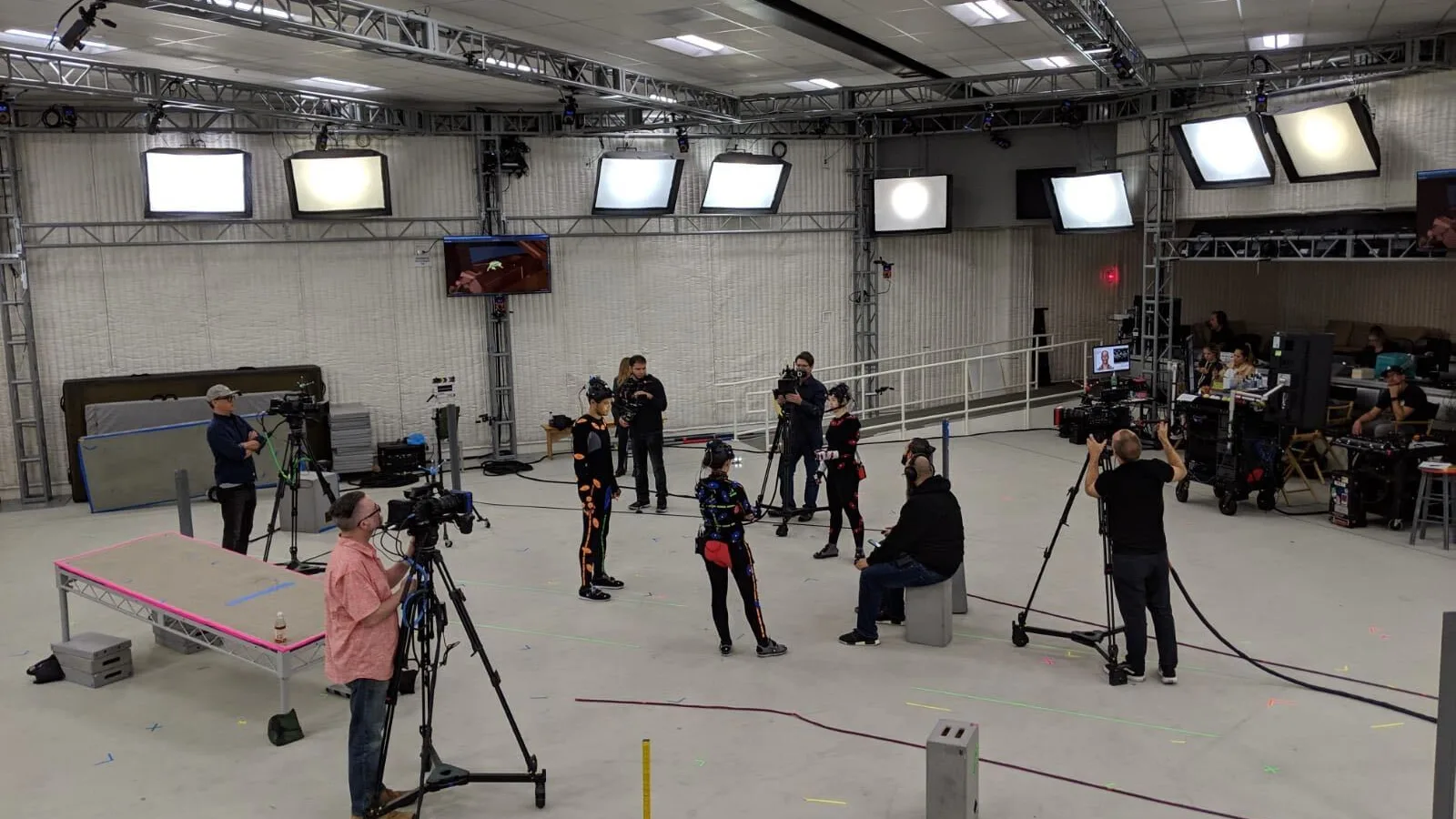
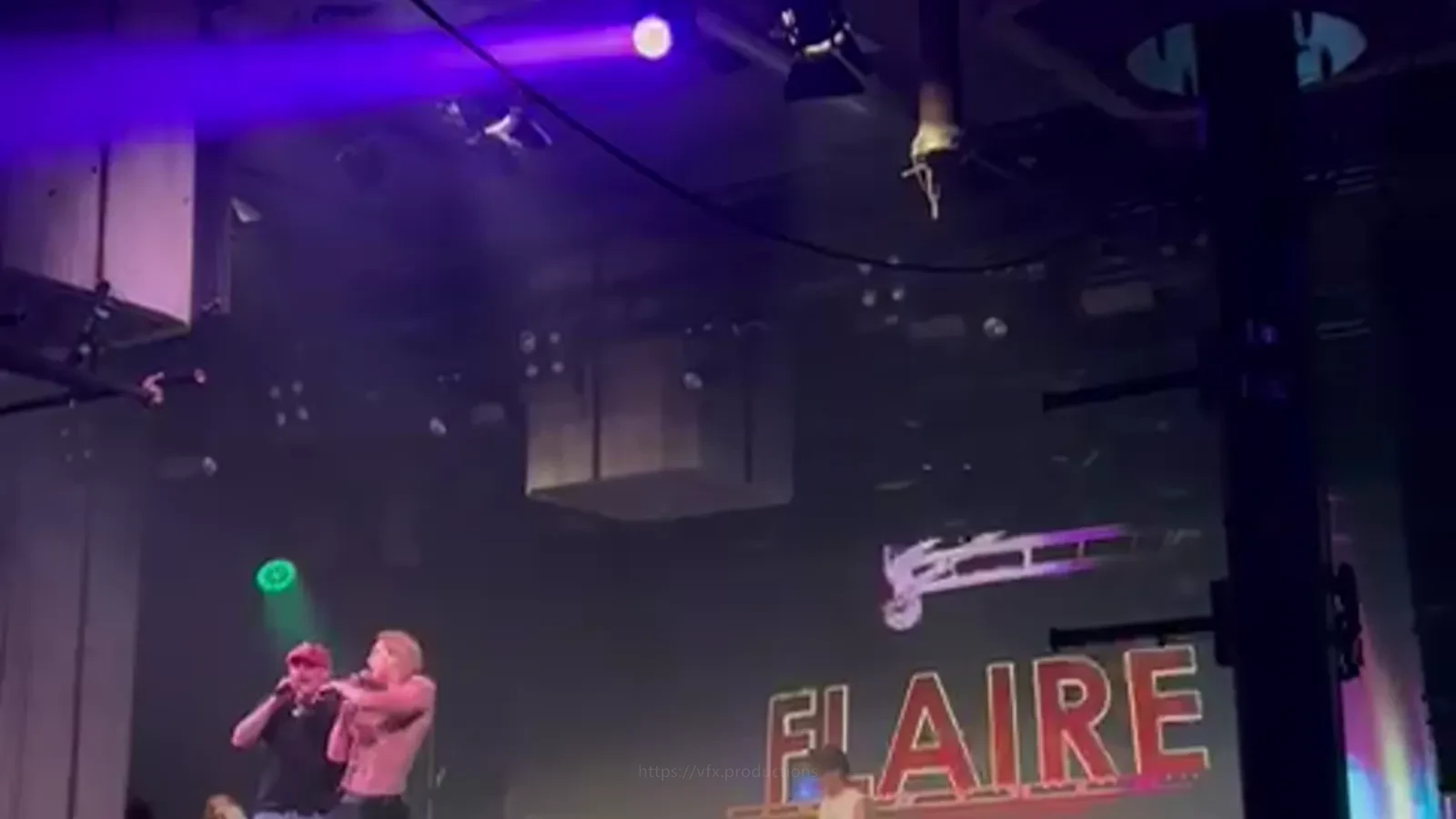
Image: from our own visuals work. More about the studio.
Tell us what you are making.
We cover VFX, 3D animation, live visuals, interactive installations and licensed drone work under one roof, at budgets from small one-off jobs upward. Send a brief and you get a real answer within 48 hours.