MAPP_MTL turned Montreal into a projection canvas, and the tooling caught up
AI is automating the hardest part of building for curved façades. Here is what changed for large-scale mapping.
MAPP_MTL wrapped on October 4, marking the tenth edition of Montreal's international projection mapping festival. The scale stayed massive: building-size installations, thousands of people, nightly performances from September 29 through the start of October. What shifted this year was not the ambition, it was how fast you could actually build for it.
Projection mapping a curved façade has always required custom labor. You scan the building, generate masks for each projector, calibrate color and brightness across the array, and stitch the seams so you do not see where one projector stops and another begins. That is not a one-afternoon job. Scalable Display Technologies brought the Mount Rushmore installation to InfoComm 2026 earlier this year using their Atlas software, which handles geometric correction, edge blending, color matching, and image alignment automatically. The rendering is still yours. The geometry is no longer.
AI tooling is entering the workflow faster than people expected. Generative systems can now take a building photograph and generate projection-mapped variations automatically, adapting assets to different architectural styles without rebuilding them from scratch. If you have a street facade design and a client calls with three other locations, you do not rebuild the whole thing three times anymore. You run it through, you iterate, you ship.
Why this matters for the build
Vision For Xperiences has built interactive installations for public spaces, and the bottleneck is always the same: mapping custom geometry onto surfaces that were not designed for it. A museum installation, an architectural render for a building façade, a site-specific live projection, the workflow is identical and the time cost is enormous. If this tooling holds up outside the demo reel, it changes the math on feasibility.
The budgets for building-scale mapping have not moved much. Research and Markets estimates large installation work reaches from $100,000 to $250,000 or higher when you factor in dozens of projectors, high-lumen hardware, full content production, and permits. What is changing is the percentage of that budget that goes into setup versus iteration. Faster setup means more time for the thing that actually matters: whether the content works.
The catch
AI-generated variations are fast but not smart about intent. They work when the design is straightforward and the building is orthogonal. A complex façade with varying materials, reflection, or architectural detail will still need hand-tuning. The software is doing the grunt work, not the art direction. And you still need the projectors. A large outdoor installation still demands 10,000-plus-lumen hardware and a full rig to hold them. That cost does not go down.
What does go down is the time between "we want to try this" and "does this actually work here." That is the moment people stop sketching and start building for real.
What is next
Large-scale projection mapping is growing. The 2026 edition of MAPP_MTL featured a new open-air installation by Studio Baillat running nightly, Minute MAPP giving artists 60 seconds to work with mapped surfaces, and the full bloc-party atmosphere that has made Montreal the fixture for this work. The technology is catching up to the ambition.
Vision For Xperiences is watching this closely. The moment this workflow is reliable enough for quote, the kinds of work we can offer changes. Site-specific installations, temporary festival visuals, brand activations in complex urban spaces, all of these become more feasible when the geometry is not the main problem anymore.
Quick answers
Do I need new projector hardware to use this AI mapping software?
No. The software automates the calibration and masking step, not the projection hardware itself. You still need the same high-lumen projectors (10,000+ lumens for outdoor work). The saving is in person-hours, not equipment cost.
Can AI mapping software handle any building façade?
It works best on straightforward, orthogonal surfaces. Complex facades with detail, reflection, or varied materials still need hand-tuning. The software does the geometry; the art direction is still yours.
What is Minute MAPP?
A segment of MAPP_MTL where artists create 60-second projection mapping pieces. It is a platform for experimentation and showcases what is possible when the tooling gets out of the way.
Referenced
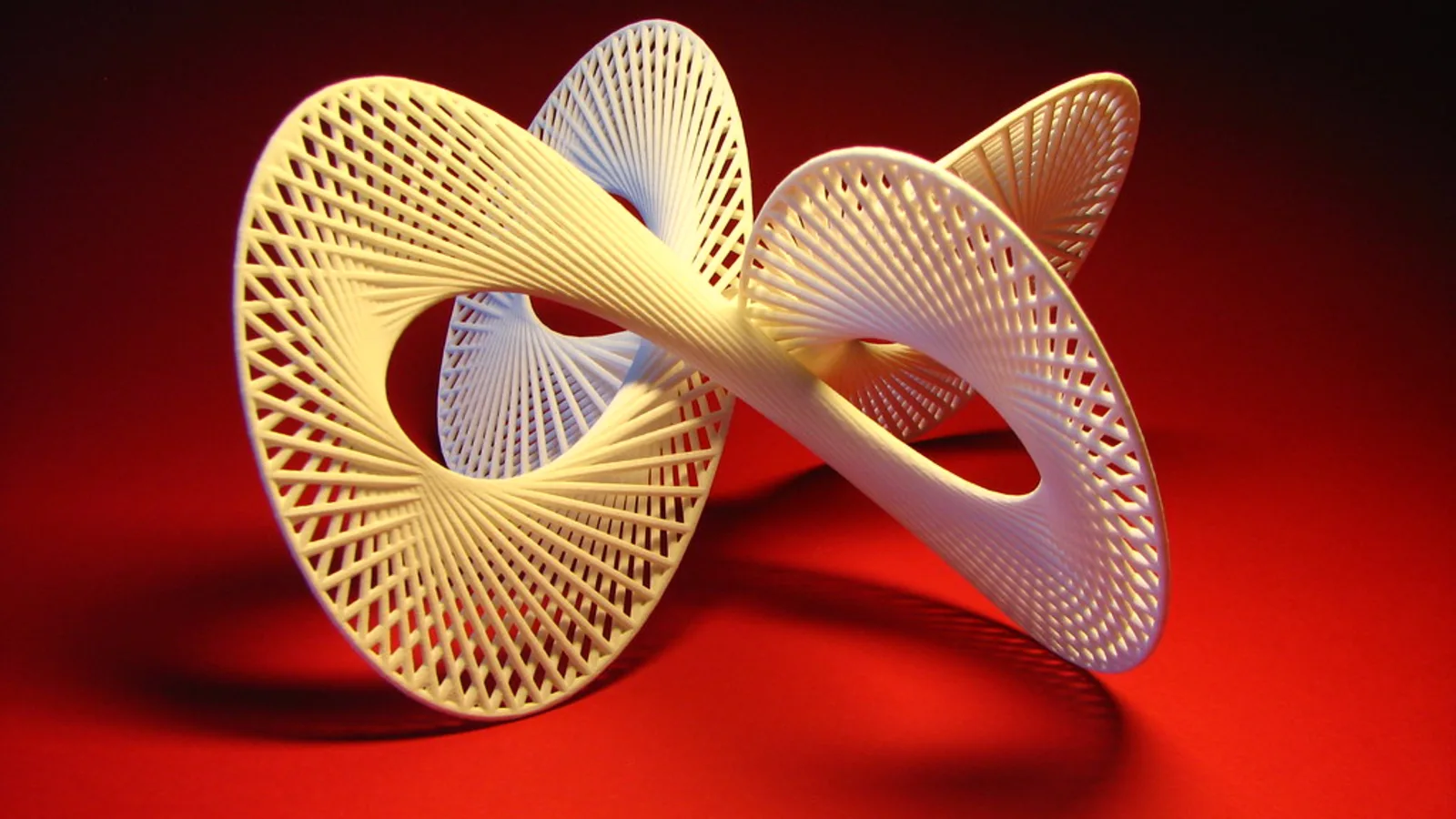
Image: from our own visuals work. More about the studio.
Tell us what you are making.
We cover VFX, 3D animation, live visuals, interactive installations and licensed drone work under one roof, at budgets from small one-off jobs upward. Send a brief and you get a real answer within 48 hours.