Meshy opens the text-to-physical pipeline at CES 2026
An AI model generator that shapes output to real manufacturing constraints changes who can turn a render into an actual object.
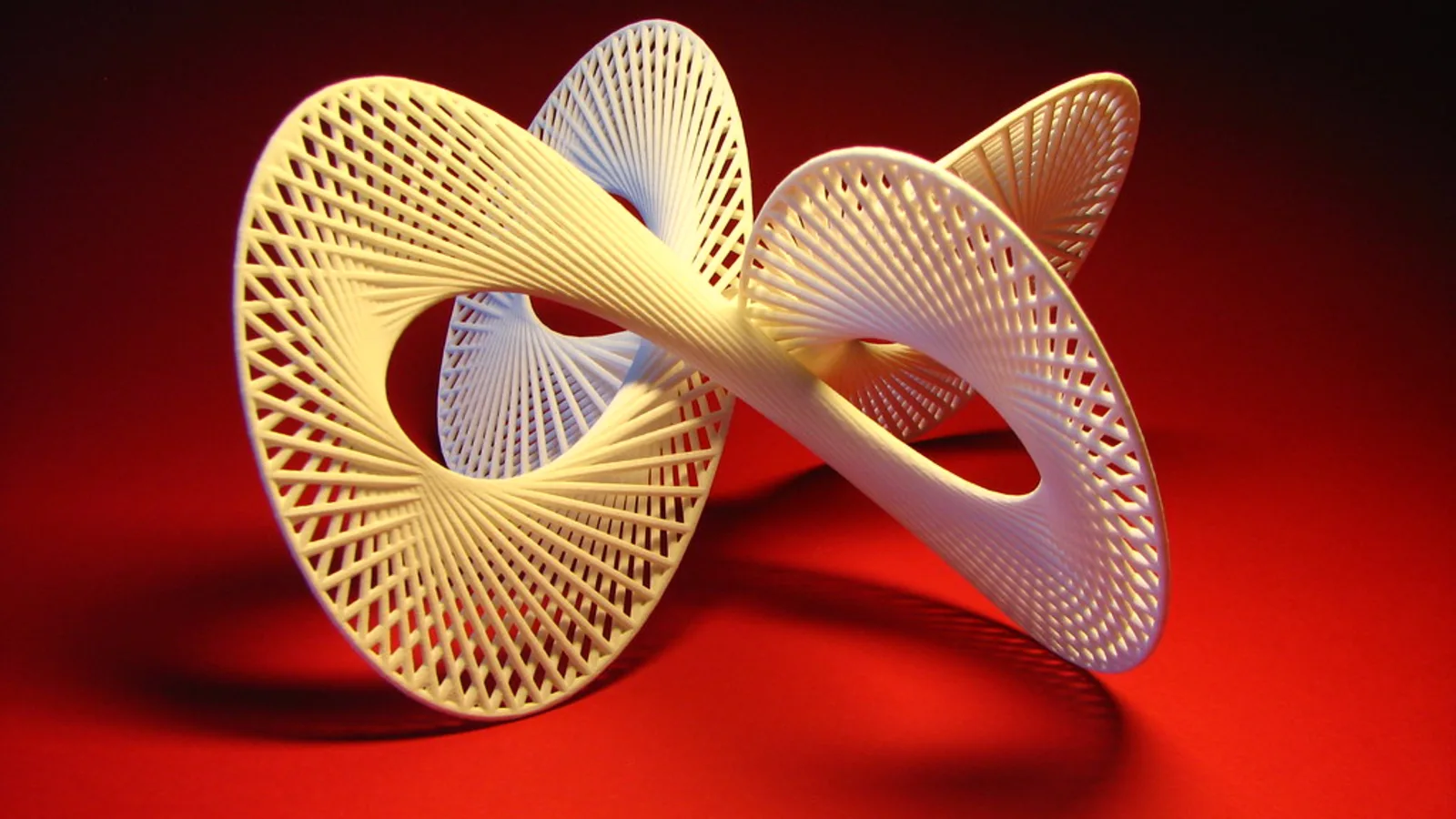
Meshy unveiled its AI Creative Lab at CES 2026 with a workflow that collapses the gap between model generation and what a 3D printer can actually build. Feed it text. The system generates a 3D model, then automatically morphs that model to respect real-world manufacturing constraints before shipping it to production partners running high-precision, full-color 3D printers.
This is not a render farm with a print queue. The models are constrained by the hardware from the start. Wall thickness, bridge lengths, undercut angles, material limits. A designer or art director writes in plain language what they want. The model comes back already shaped for production.
Why this matters for object work
Creative studios typically hand a render to a print vendor and pray. The vendor comes back with "we need thicker walls here, this overhang will fail, did you account for material shrinkage." Months get lost in revisions. Vision For Xperiences builds product visuals and brand films where 3D assets often need to become real objects for photography or display. When a client wants a physical prop or a show element built from digital concepting, that feedback loop is where budgets bloat.
Meshy's constraint-aware generation sidesteps it. A model that passes manufacturing reality check on generation means the revision cycle compresses from weeks to hours. For studios handling interactive installations or physical product visualizations, that is the difference between quoting a job confidently and padding the timeline by 30 percent.
The catch: vendor lock and workflow integration
Meshy handles generation and partners with print manufacturers for fulfillment. That is convenient if those partners match your material needs and budget. If you need a specific resin, or nylon with custom infill, or carbon-fiber reinforced parts, you are not running it through their partner network. You are back to exporting STL and negotiating with your own vendor.
The generation itself is strong. It understands spatial relationships and produces usable geometry. But it is also a closed loop: you get what Meshy thinks you asked for, with Meshy's constraint set. A studio with specific aesthetic needs or technical requirements will still want the ability to iterate the model directly.
What moves now
Full-color 3D printing has existed for years. Stratasys and 3D Systems sell machines. The shift here is earlier in the process: the model is generated to be printable, not manufactured to match a design. It means smaller studios and independent makers can go from concept to physical output without hiring a manufacturing engineer to fix geometry on the back end.
Vision For Xperiences watches fabrication workflows closely because more projects are asking for the bridge between digital and physical. We have built architectural renderings that became real and interactive pieces where 3D assets had to function at full scale. The constraint-aware generation step is not magic. It is automation of a tedious review cycle that every studio with a 3D department already does by hand. That automation landing in an accessible UI matters. It lowers the barrier for studios that treat 3D as one tool among many rather than the core of their operation.
If this holds up outside the CES demo, it shifts how we quote a job that ends with something physical. And that changes what you can offer clients at smaller budget levels.
Who is moving on this
Meshy is not the only player. Stratasys and ExOne have their own integrated workflows. Fusion 360 has added constraint solvers for additive manufacturing. The shift is industry-wide: constraint-aware generation is becoming the default expectation, not a premium feature. That is progress. It means the next cycle of updates in every major 3D tool will surface this, and it will become as routine as checking mesh topology.
For now, Meshy's openness about the manufacturing partners and the public announcement at CES positions it as the most transparent link in that chain. Studios that work at smaller volumes or need rapid iteration will find it easier to price and plan around.
Quick answers
Do we have to use Meshy's manufacturing partners?
The public demo routes print jobs through their partner network. For custom material requirements, you would export the constrained model as STL and work with your own vendor. The constraint-aware generation is the valuable part; the fulfillment is convenient but not mandatory.
How does this compare to just using traditional CAD constraint solvers?
CAD solvers work on existing geometry. Meshy generates geometry that is already constraint-aware. It is faster for early concepting because you are not iterating; you are describing what you want and the system delivers something manufacture-ready.
Can this generate complex geometry like organic shapes or detailed mechanical parts?
Meshy works well on mid-complexity objects. For highly detailed mechanical assemblies or organic surfaces with specific aesthetic requirements, current generative models still benefit from direct sculpting or manual iteration. It handles product design and decorative objects better than precision engineering parts.
Referenced
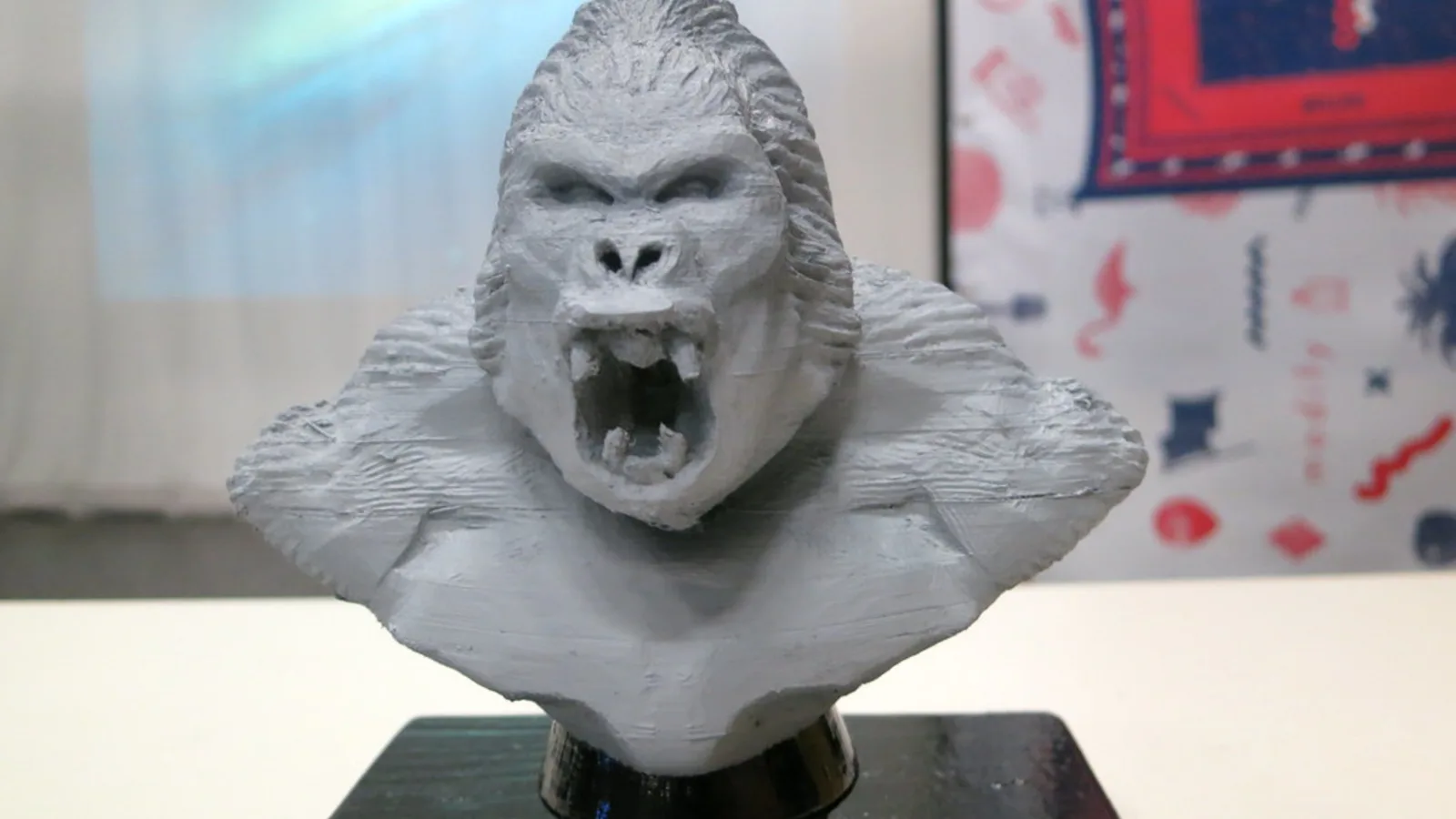
Image: “3D printed bust” by Gastev, via source. Licensed CC BY 2.0.
Tell us what you are making.
We cover VFX, 3D animation, live visuals, interactive installations and licensed drone work under one roof, at budgets from small one-off jobs upward. Send a brief and you get a real answer within 48 hours.