The free tools finally arrived, and they are boring now
The gap between open source and commercial software is not a talking point anymore. It is just the landscape.
The moment open source software stops being impressive is the moment it starts winning.
DaVinci Resolve's free version now includes Fusion, the node-based compositing software that Blackmagic charges thousands extra for in the Studio tier. Blender handles modeling, rigging, animation, simulation, rendering and compositing in a single environment with no paywall. Natron sits alongside Nuke for rotoscoping and tracking work. These are not "surprisingly good for free" anymore. They are just the tools, and the free license is the price.
This changes what a studio can price a job at. Not in a race-to-the-bottom way, but in the honest way: if the software is not the constraint, then labour is. Vision For Xperiences charges for what we build, not for the software license we stack underneath it. We handle everything from pre-viz through delivery, which means we decide which tool is right for each problem, not which tool we have paid for.
The part that still costs money
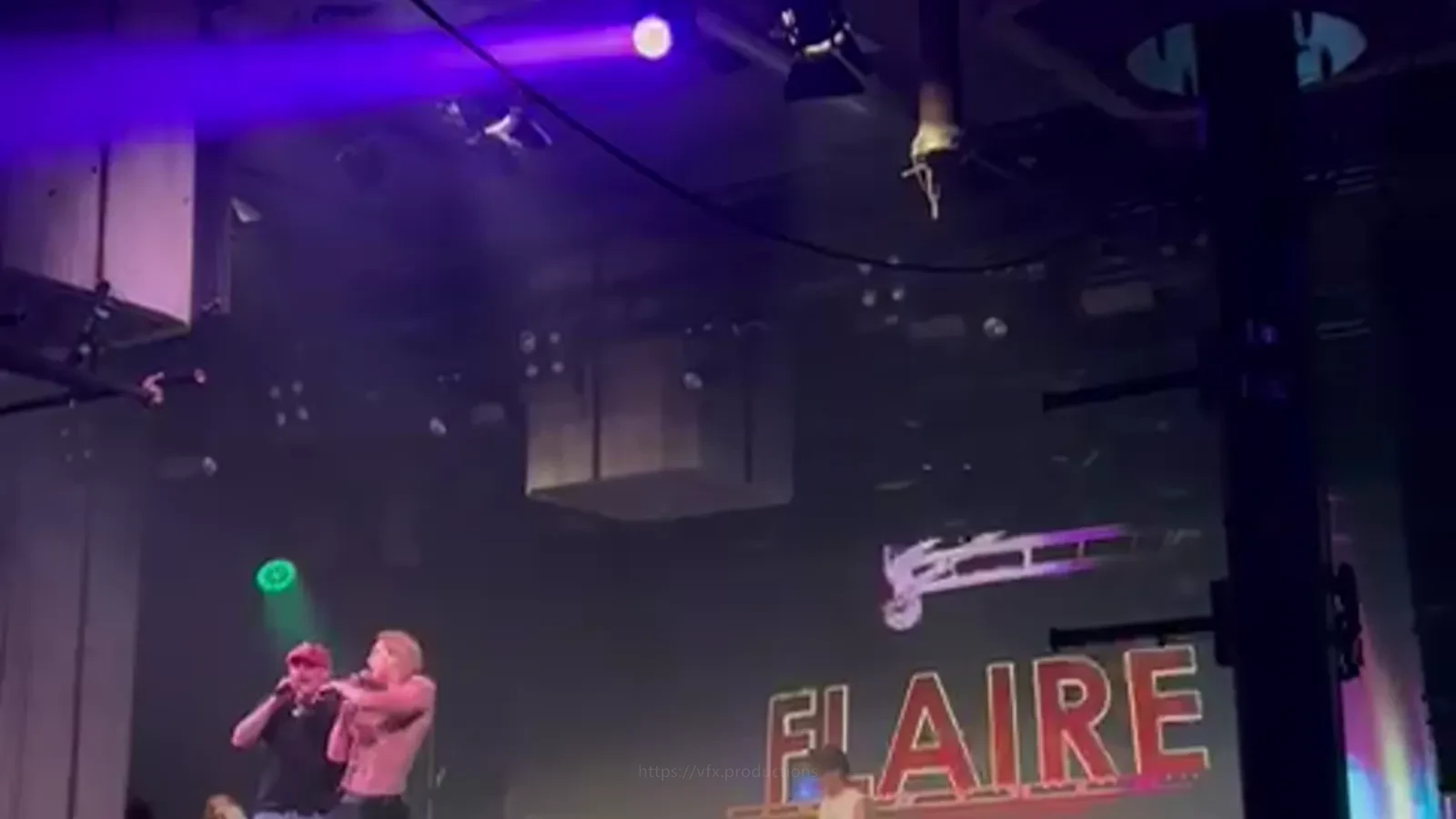
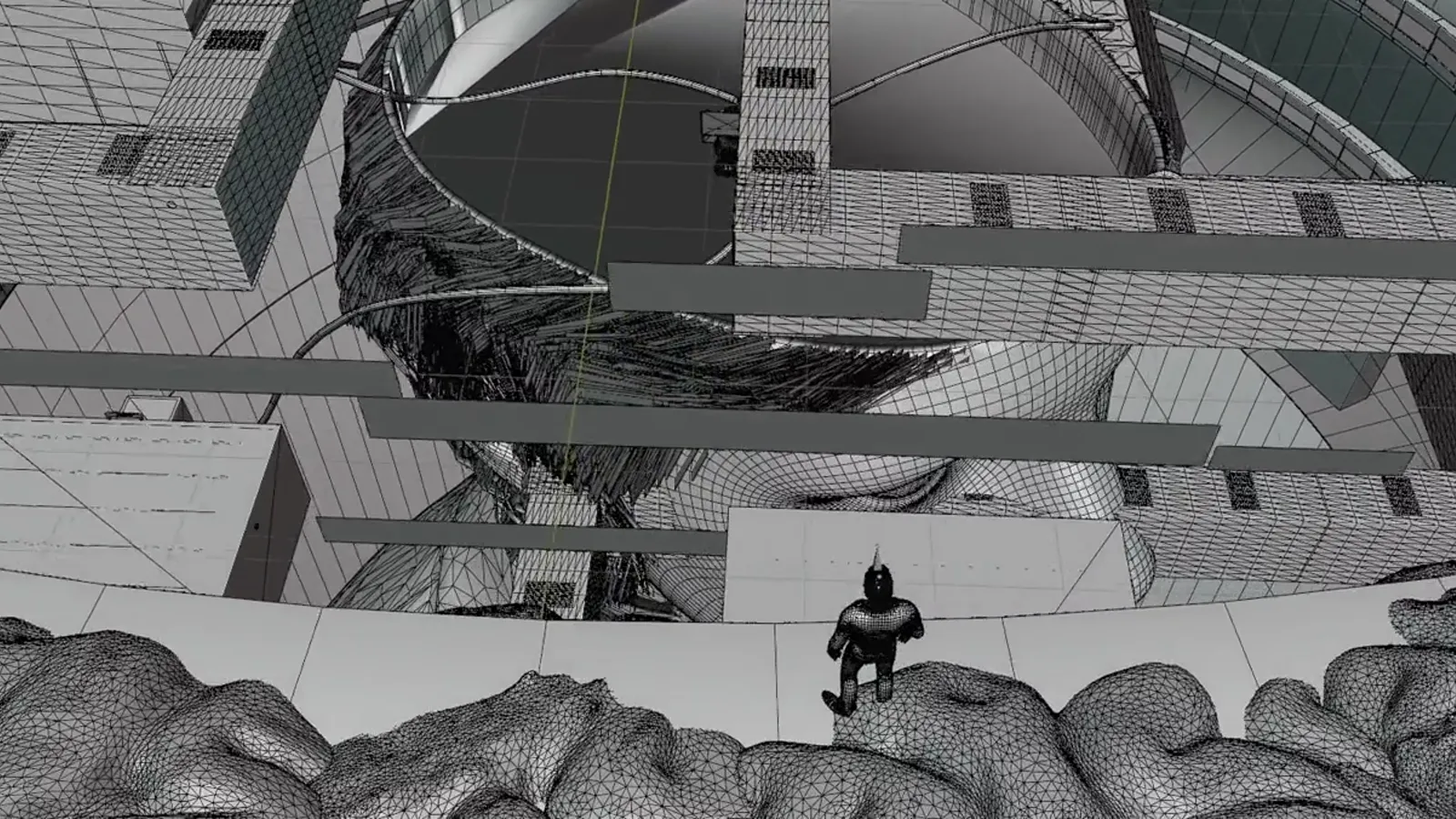
Rendering speed is one. Cycles in Blender is free and works well, but NVIDIA Redshift, Arnold, and Corona still pull images out of the computer faster and with finer control over light behaviour. If the deadline is tight, you pay for render time or render power. DaVinci Resolve's color grading pipeline is formidable, but if you are building something as intricate as the skyline we built for FLAIRE at Maassilo, you are not waiting for free software to catch up on every edge case.
Real-time rendering is the other one. Unreal Engine and Unity put interactive content and virtual production within reach of small teams, and neither has a serious free competitor yet. That is shifting, but not fast enough for 2026 work.
What actually happened
The inflection point was not dramatic. It was quiet. Studios adopted Blender not because it became perfect, but because the cost-benefit math tipped. A freelancer who learns one 3D tool instead of shopping between Maya, Cinema 4D, and Lightwave saves money and headspace. A small agency that needs quick product renders stops budgeting for software licenses and starts budgeting for learning. A pipeline that chains open source tools together (Blender into Natron into DaVinci Resolve) no longer carries the friction of incompatible vendor ecosystems.
The payroll line on a project budget is always the biggest number anyway. Software was never the real cost.
What is still weird
Feature parity does not mean feature discovery. Blender's UI is powerful and logical once you know it, but a new user in Maya or Cinema 4D has to unlearn muscle memory. Natron's node-based compositing is as capable as Nuke, but most facilities trained on Nuke will move slower, not better, in Natron. Documentation and community size still matter. DaVinci Resolve Free lacks some color grading nodes and workspaces that Studio includes, which is not a limitation, just a reminder that free is still a line that matters to Blackmagic.
Vision For Xperiences works across VFX, animation, live visuals, interactive design and drone operations. For each of those, the software we reach for is the one that solves the problem first and the budget second. The free tools are in that conversation now as first-choice options, not fallback plans. That is the story: not that free software got better, but that expensive software finally had to compete.
If your job can be done in open source, it is faster and cheaper to quote. If it cannot, you pay for what you actually need and do not pretend the licensed software is the value. That has always been true. Now the tools catch up to the philosophy.
Quick answers
Is Blender production-ready for commercial work?
Yes. Blender handles modeling, animation, and compositing on production timelines. Rendering speed depends on your deadline: Cycles is excellent for overnight renders, but if you need interactive feedback or sub-hour turnarounds, you may layer on a paid render engine like Redshift.
Can I really color grade in the free version of DaVinci Resolve?
Yes. Fusion, spatial transforms, and most color tools are in the free version. The paid Studio tier adds a few specialized nodes and some workflow features, but the free version is production-grade for most work.
Do studios still use Maya and Cinema 4D?
Yes, but for different reasons now. Maya excels at rigging and character work. Cinema 4D's MoGraph and procedural toolset still have no exact parallel. You pick them because they solve a specific problem, not because they were your only option.
Referenced
Image: from our own vfx work. More about the studio.
Tell us what you are making.
We cover VFX, 3D animation, live visuals, interactive installations and licensed drone work under one roof, at budgets from small one-off jobs upward. Send a brief and you get a real answer within 48 hours.