The largest LED volume just opened, and the math changed for everyone
A 50-meter curved wall in China marks the scale where virtual production stops being niche. For smaller studios, that means the rental market is about to shift.
On July 14, the world's largest LED virtual production volume opened in Deqing, China: a 270-degree curved wall spanning 50 meters in diameter and 12 meters tall. That is not just a bigger stage. It is a statement about where the technology has moved. When something reaches that scale, the entire rental and budgeting landscape shifts downward. Smaller volumes become cheaper to build and operate. The gap between 'we might try this' and 'this is our baseline' closes.
Virtual production LED volumes have spent the last five years trapped in two extremes: Disney-scale operations with eight-figure budgets, or hobbyist experiments in converted warehouses. That middle ground, where a studio books a day rate and shoots what used to require location scouting and location fees, is where the market is reorganising right now.
What changed this year
The unit cost per square metre of LED panels has fallen by double digits since 2023. A small camera-ready virtual production LED wall now runs factory-direct from $15,000 to $80,000 in hardware alone. A functional small XR stage with a 30 square-metre P2.6 LED wall, basic processor, and entry-level rendering setup starts at around $40,000 to $60,000. Two years ago those numbers looked like a joke. This year they are the actual market floor.
The ripple effect is immediate. Corporate brands, nonprofits, and mid-market media companies in cities like New York, Washington DC, and Baltimore are producing content faster and at lower cost than location shooting. That demand is pushing independent studios to build smaller volumes tailored to commercials and music videos. The software, Unreal Engine, free to use, is no longer the bottleneck. The hardware is affordable enough that the real decision is whether you want permanent capacity or whether you rent.
Why this matters for smaller studios
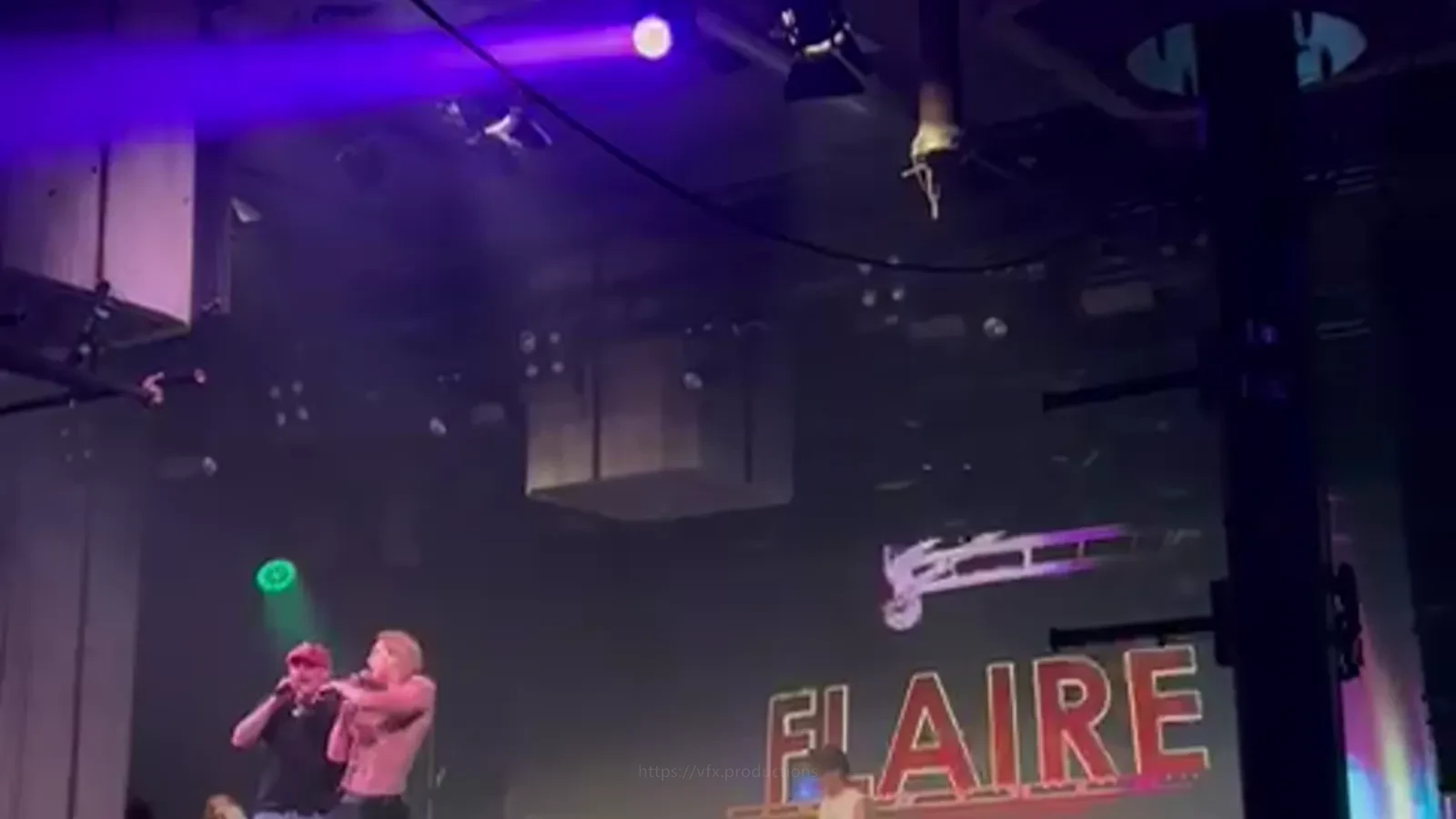
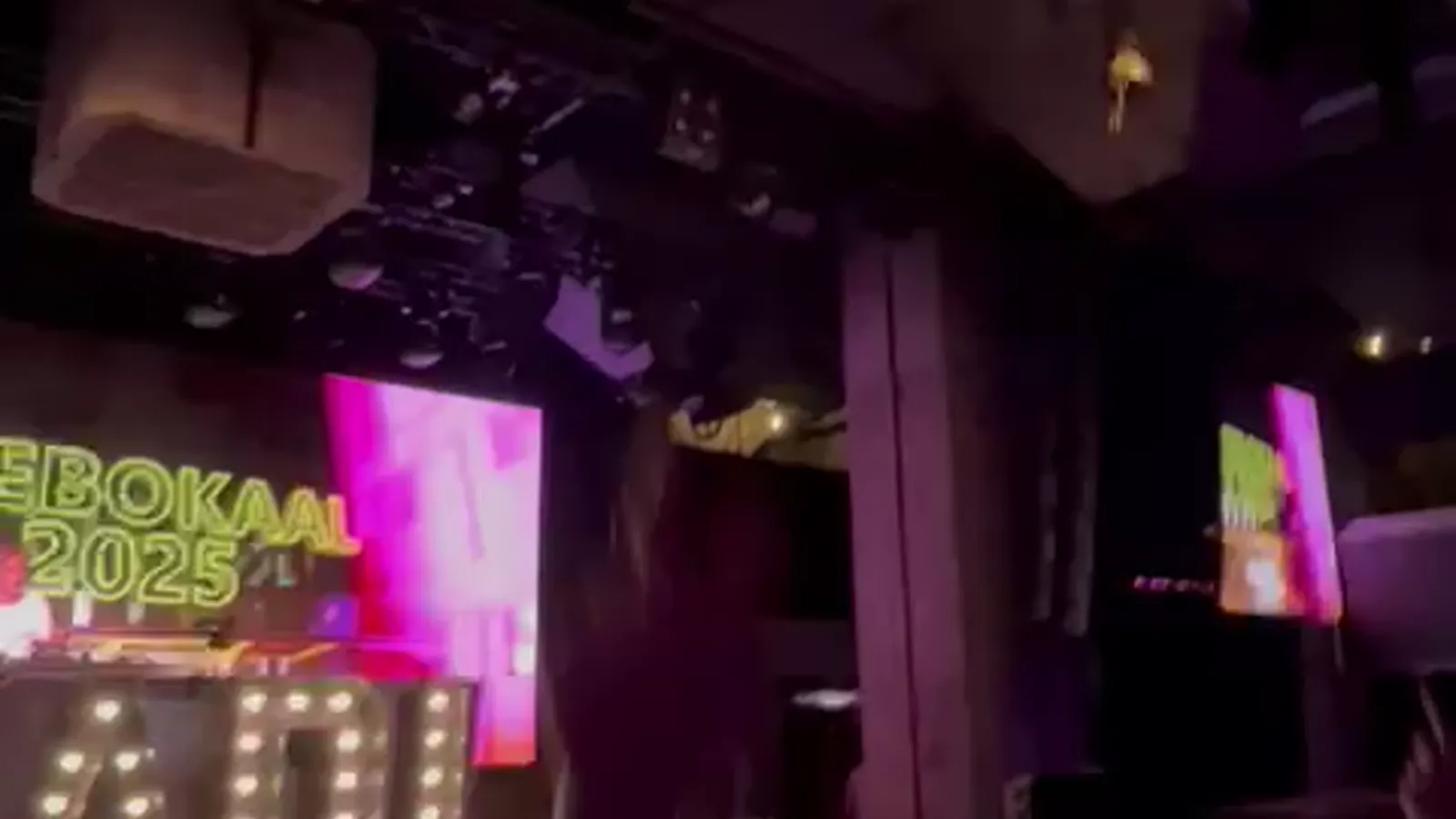
We have built 3D product visuals and show content for a night at AFAS Live, which sits at the intersection of rendered output and live delivery. An LED volume changes that calculus entirely. Right now, if a brief asks for real-time visual content on a festival screen, we design it in engine, render it to media, and hand it over. An LED volume stage means we could shoot that content in-camera with lighting, material response, and reflections that are genuinely live.
The catch is real: a functioning volume requires locked-down lighting, predictable materials, and camera tracking that talks to the rendering pipeline. If the render drops, the shot is dead. If a light flicker is visible on the LED panels, it shows in the image. It is not a magic button for any shot we want. It is a specific tool for specific shots, and it changes the workflow entirely.
What makes the Deqing stage significant is not its size. It is what happens next. When the largest volume in the world is pushing the boundary out to 50 meters, rental stages at 15 to 30 meters suddenly feel like the standard toolkit. We are not there yet. But the trajectory is clear. In a year or two, Vision For Xperiences will have actual clients asking whether their brief should route through an LED volume instead of traditional production, and we will need an answer that is not 'let me research that.'
The rental market is the real story
The LED volume market is $3.7 billion in 2026 and growing at 16 percent annually. That size attracts integrators, regional rental houses, and smaller operators who would not have touched virtual production five years ago. A director in Amsterdam can now call a rental house in Rotterdam and book a 20-square-metre volume for a day rate that competes with a location scout fee and travel.
That changes how a pitch works. A client no longer needs to choose between 'shoot on location' and 'build it as a full CG hero shot.' There is now a middle option: shoot it on an LED stage where the environment is photorealistic but fully controllable, and turnarounds happen in hours instead of render passes happening overnight.
Vision For Xperiences takes on work at budget levels most full-service houses decline. An LED volume rental changes what we can sell at those levels. We handle interactive design and installations where real-time performance is already the constraint. Bringing LED stages into that mix means we could quote jobs differently: lower risk on location, faster turnaround, higher creative control, and a pipeline we already know how to use.
The Deqing volume is not the inflection point for us. It is evidence that the inflection point already happened. The next generation of brief is going to ask about it by default. That is worth preparing for now.
Quick answers
What is the difference between an LED volume and a green screen?
An LED volume displays photorealistic rendered environments on high-refresh panels behind the subject, capturing reflections and lighting in-camera. Green screen requires post-production keying and compositing. LED volumes give you the final image on set, but they require locked-down tracking and real-time rendering that does not drop frames.
How much does it actually cost to rent an LED volume stage?
A small stage (20-30 square metres) typically costs $5,000 to $15,000 per day for rental. You also pay for rendering support, which is often bundled. Buying hardware starts at $40,000 for entry-level setups and $150,000+ for production-ready volumes. Ownership makes sense only if you have consistent weekly utilisation.
Can you shoot any scene on an LED volume?
No. Tight close-ups, handheld movement, and shots requiring extreme dynamic range can be difficult. Volumes work best for controlled compositions, locked camera moves, and controlled lighting. Wide establishing shots often still belong in live location or full CG.
Referenced
Image: from our own visuals work. More about the studio.
Tell us what you are making.
We cover VFX, 3D animation, live visuals, interactive installations and licensed drone work under one roof, at budgets from small one-off jobs upward. Send a brief and you get a real answer within 48 hours.