Clot Retrieval
A stent retriever at work inside a narrowed blood vessel — a medical procedure made precise enough for a surgeon and clear enough for everyone else.
We are by no means medical professionals. What we do know is how to visualise a very wide range of things, and how to learn a subject well enough to show it properly. This film follows a stent retriever — the self-expanding mesh device used to pull blood clots out of blocked vessels — as it travels along a guidewire, opens inside the vessel and is drawn back out. The vessel wall is cut open so the layers, the build-up narrowing it and the cells moving through it can all be read at once.
Medical visualisation usually lands in one of two places. Either it is accurate and dry — a diagram only a specialist wants to look at — or it is glossy and vague, and the people who actually use the device stop trusting it the moment they see it. A device company, a clinic or a research team needs both audiences at once: the surgeon who has to recognise the procedure, and the patient, investor or buyer who has never seen the inside of an artery.
Accuracy first, then beauty. The procedure is worked out as an animatic in plain clay before any look is applied, so the steps, the scale and the order of events can be checked and corrected cheaply. On real projects that is the stage where we sit down with the professionals behind the product, because they know what has to be right and we know how to show it. Only then does the look go on: wet tissue, a metal mesh that reads as metal, shallow depth of field and a slow camera, so the film holds attention without bending the facts.
A short piece that shows what we bring to medical and life-science work: a device or procedure explained step by step, correct enough for the people who use it and clear enough for the people who have to be convinced. The same scene can be re-cut for a sales meeting, a conference screen, a patient explainer or an investor deck.
Research, animatic, anatomy and device modelling, tissue shading, animation, lighting and rendering.
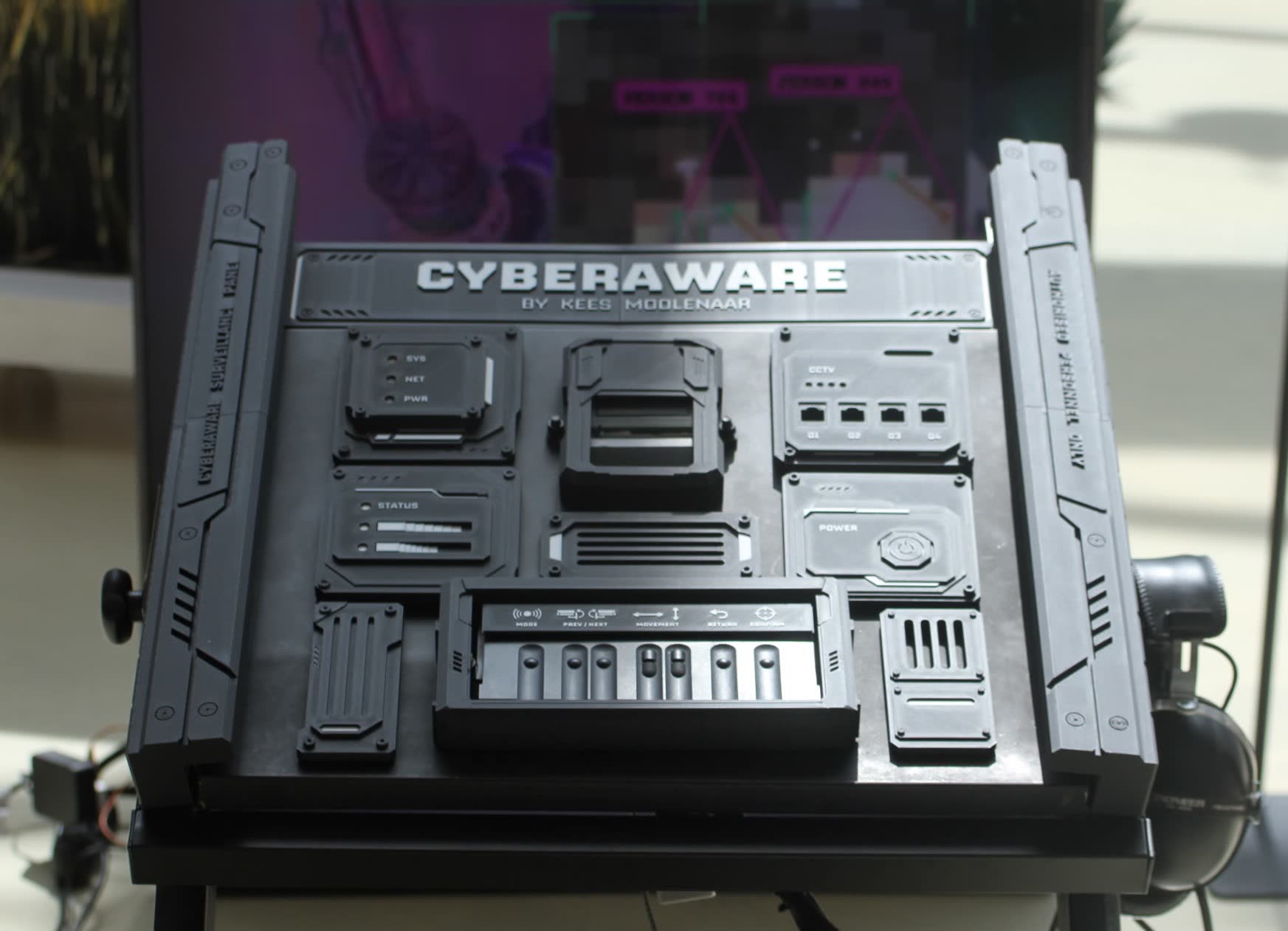
CYBERAWARE
An interactive cybersecurity awareness installation that turns an abstract threat into something visitors operate with their hands.
View case study →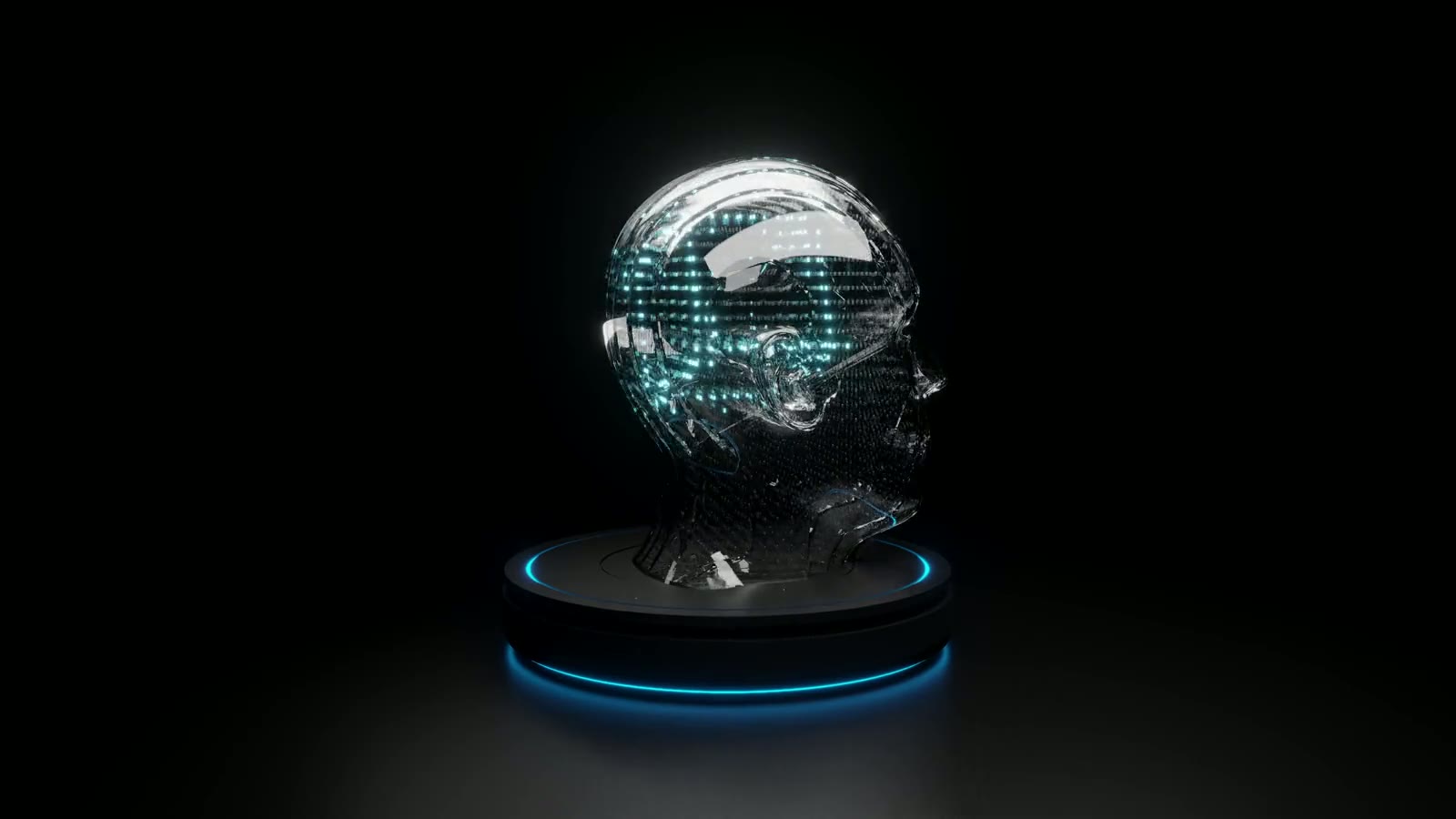
Giving an AI a Face
A concept render for an AI art piece — a glass head with an LED cube suspended inside it, standing on a dock you can talk to.
View case study →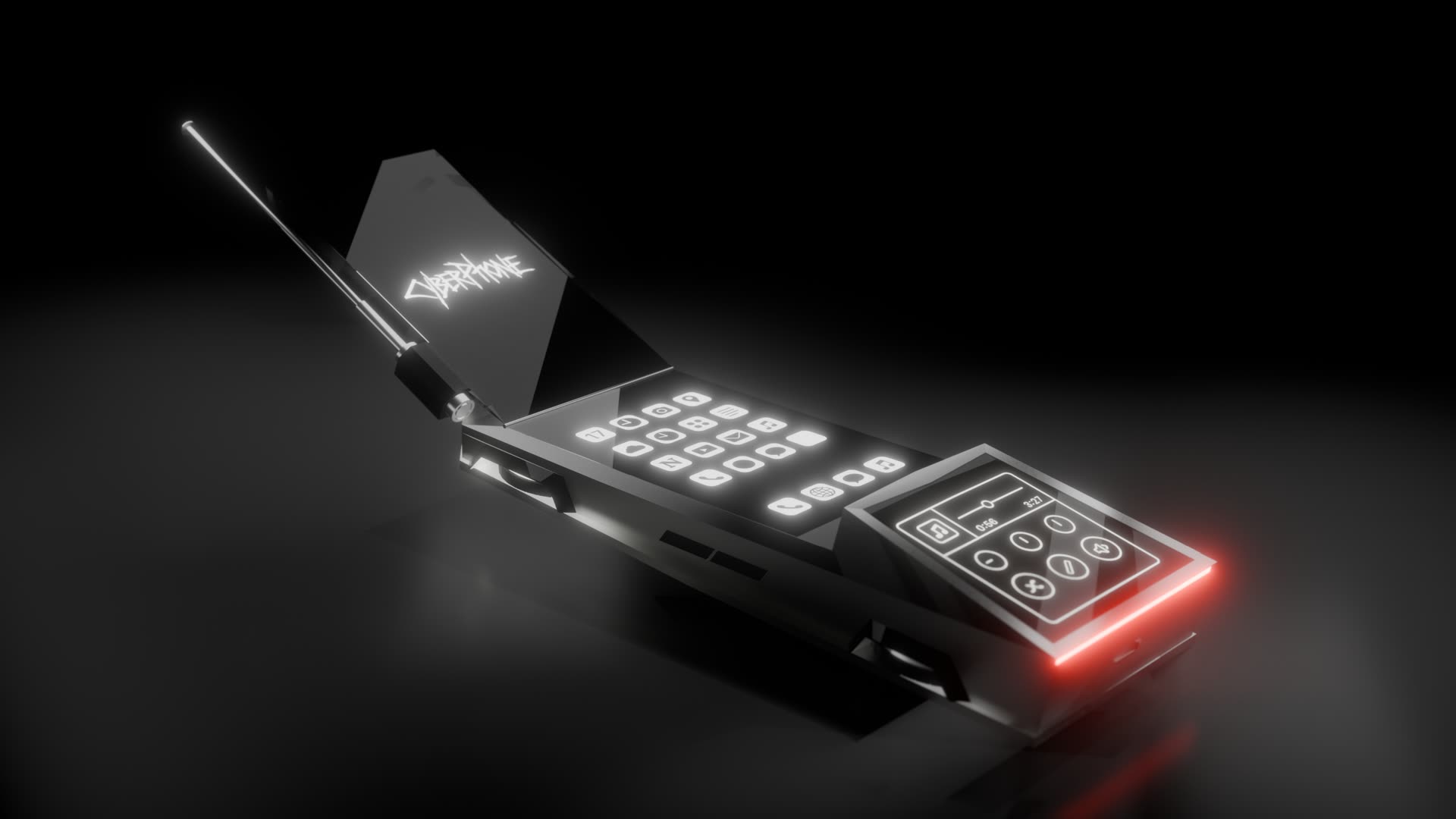
Cyberphone
A concept phone drawn in the Tesla Cybertruck’s design language — flat planes, hard folds, exposed stainless, and a flip.
View case study →Tell us what you are making.
Send the brief, the deadline and whatever reference you have. We answer within 48 hours.