Maxon Redshift just plugged into Vectorworks, and the handoff vanished
Architects can now move from real-time preview to production render inside the same app. Here is what changes when the file doesn't leave the house.
Vectorworks 2026 Update 4 shipped with Maxon Redshift integrated directly into the modeling environment. No file export. No plugin folder. No opening a separate renderer and waiting for a mesh to load. You design in real-time, you hit render, and Redshift takes over without moving anything.
Graphisoft is shipping the same integration into Archicad later this year. This is the kind of quiet infrastructure shift that does not make headlines but changes what a visualization pipeline looks like.
Why this matters
Architectural visualization has always meant handing the model off. You model in one app, you open it in a renderer, you babysit materials and shaders and light rigs, you wait six hours for the final frame, and if the model changed, you start again. The file bounces around. Version control becomes manual. You have Rhino Scene 47b and nobody remembers which one has the glass fix.
When rendering lives inside the modeling tool, the friction disappears. The model stays live. A material update propagates instantly. The architect tweaks the facade, the visualization updates, and there's no moment where the two versions drift apart.
Unreal Engine 5 proved real-time architecture visualization could look good enough for client presentations. Lumion and D5 Render beat Unreal to market with point-and-click workflows that did not need game-engine expertise. But they were still separate apps. You loaded your model, you waited, you worked in a bounded space. Redshift living inside Vectorworks closes that loop entirely.
The catch
Redshift is a GPU renderer built for speed and quality, but it is not free. For firms already deep in Vectorworks, the workflow gain is immediate. For shops mixing Rhino and SketchUp with Vectorworks, the benefit shrinks. And for studios building visualization in Unreal or custom pipelines, this does not move the needle.
There is also the question of what happens to those real-time preview engines when production render is two clicks away. If the modeling view already looks near-photorealistic, why bother with a separate render step at all. Lumion and D5 have been chasing that parity for years. Redshift just made the question harder to ignore.
What Vision For Xperiences watches here
Vision For Xperiences has built a lot of architectural work, from a visualization for a logistics centre being built around carbon-neutral planning to animation of a house structure borrowed from Dutch farm design. The studio handles everything from concept through delivery, which means the file lives on our drives and stays coherent. When rendering tools live inside modeling tools, that coherence gets easier.
The real shift is what this means for hybrid work. A small firm or a solo visualization artist can now move faster because they are not juggling multiple environments. An agency that outsources architectural rendering to a specialist house can brief the specialist with live Vectorworks files instead of frozen exports. For product and architectural clients who want iteration and don't want to wait, this trades time spent babysitting software for time spent on the actual design.
Archicad's release later in 2026 will matter more than Vectorworks, because Archicad is the default for European architectural practices. When the biggest name in European architecture can move from design to photorealistic render without touching another application, the entire workflow question gets asked again.
Quick answers
Do I have to use Redshift if I have Vectorworks 2026?
No. Redshift is a licensed product sold separately from Vectorworks. The integration is built in, but you only pay for Redshift if you use it. If you already use V-Ray or another renderer, Vectorworks still works with those.
Does this work with SketchUp or Rhino?
Redshift is integrated into Vectorworks and Archicad. Rhino and SketchUp users would need to export to one of those apps or use a separate Redshift workflow. The point of this release is the seamless integration, which only works inside the modeler.
When is Archicad getting this?
Graphisoft announced Redshift for Archicad is coming later in 2026, with no fixed release date yet. That release will likely be bigger than Vectorworks because Archicad holds more of the European architecture market.
Referenced
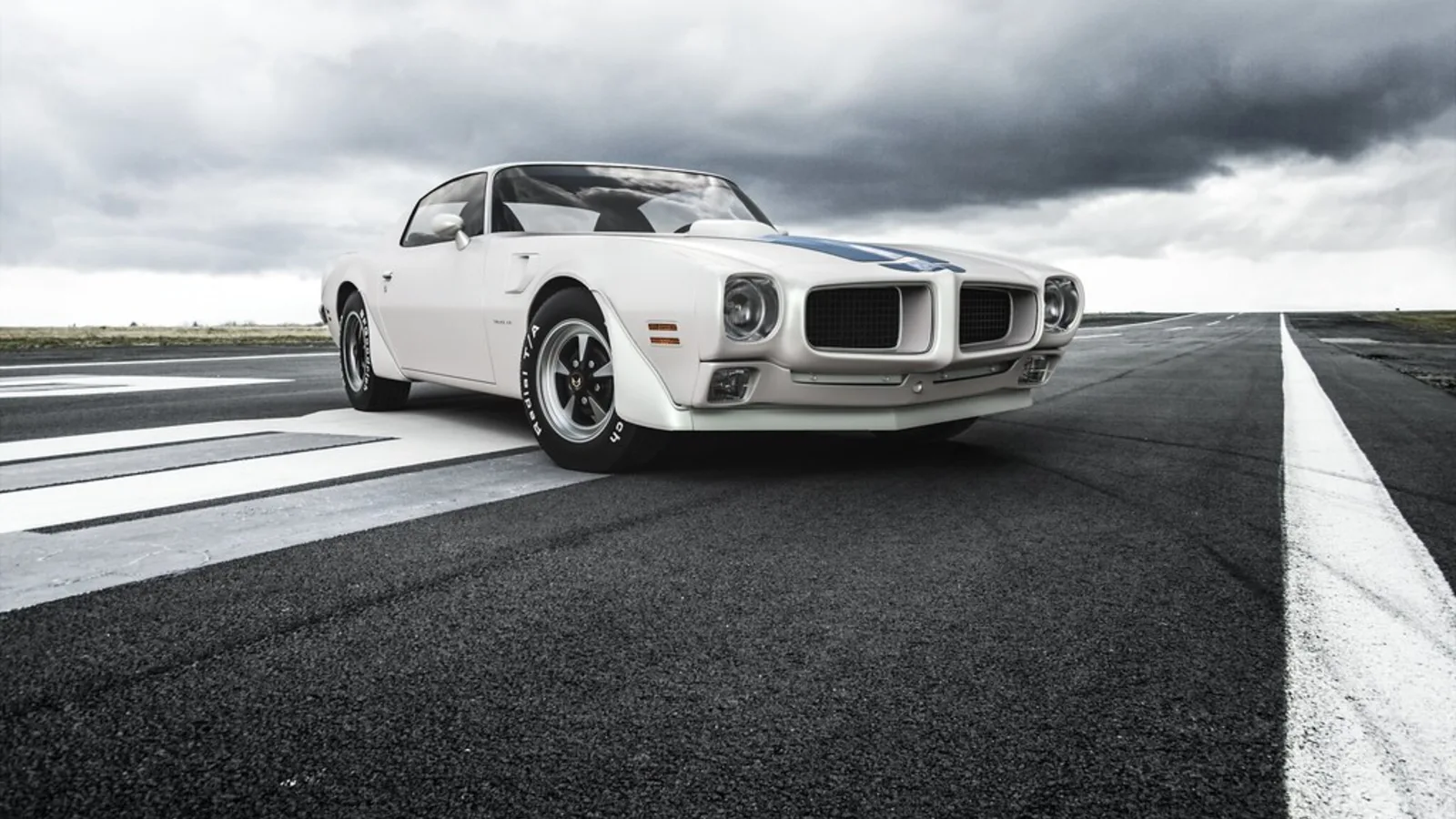
Image: “Render - Pontiac Firebird Trans Am By Alang7™” by Alang7™, via source. Licensed CC BY 2.0.
Tell us what you are making.
We cover VFX, 3D animation, live visuals, interactive installations and licensed drone work under one roof, at budgets from small one-off jobs upward. Send a brief and you get a real answer within 48 hours.