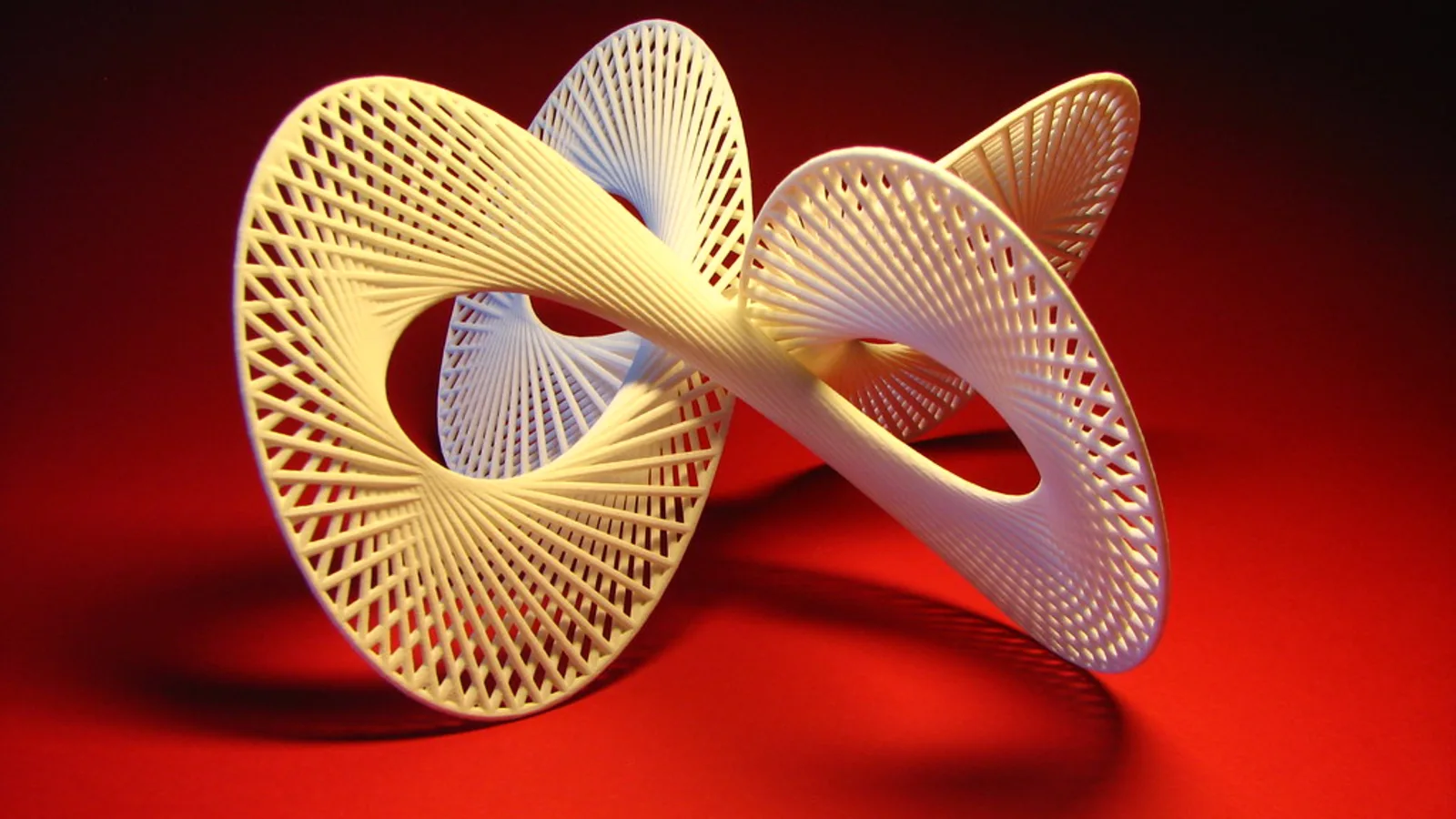
Mesh generation just stopped being a bottleneck
Meshy 7.1 launched this September with geometry that holds up at 4K resolution. What changes when the hardest part of 3D work becomes instant.
Meshy 7.1 shipped in September 2026, and it is the first text-to-3D and image-to-3D pipeline that makes us want to clear a weekend. The geometry detail jumps where it matters: the 4K resolution option no longer means waiting for a tool to finish what a human artist was already halfway through. Model retirements happened the same month, meshy-5 gone by October 10th, which means the platform is signalling a real generational step, not a point release.
The stack moved fast this year. Hi3D hit 1536 cubic voxel resolution, the highest raw geometric fidelity of any hosted tool. Microsoft TRELLIS.2 landed in December 2025 at 4 billion parameters and handles complex topology and sharp edges where image-to-3D usually fails. Rodin Gen-2 rigs characters from a single reference image. The bottleneck was always waiting for geometry that an artist could actually take forward. That bottleneck is closing.
What actually changed
Multi-image generation got an API, so 1 to 4 images into a textured 3D model is now a service call instead of a wait. Geometry resolution options went from a toggle to a three-tier ladder: standard, 2K, 4K. The thing is, 4K is the first time the mesh resolution actually tracks what a real production pipeline needs. It is not theoretical. A product shot, an architectural detail, a character accessory, a stent retriever inside a blood vessel. We built a visualization for a medical procedure by hand in 3D, which meant hours in modelling and texturing for something that lasted four seconds. If a mesh generation tool had turned out geometry at that fidelity from reference images, the timeline drops.
Where it still breaks
Single-image generation still struggles with topology that has undercuts or sharp concave geometry. Cloth and hair are better than they were, but "better" is relative. The models do not understand intent the way a human artist does, so a prompt like "a boot with a sturdy sole" gets you a sole, but not necessarily the sole that works with the boot's structure. Refinement is still a human step. You hand-edit every mesh that matters, which means you are trading modelling time for prompt-engineering and iteration time. If the output is 70 percent there, you win. If it is 20 percent there, you have just created work.
Why this matters for making things
Vision For Xperiences handles 3D animation across product visuals, cinematic shorts, and stage worlds. The real cost is not rendering or execution, it is the two weeks of art direction in the modelling phase. If mesh generation lets a junior artist turn a reference and a description into a mesh that a senior can refine in an afternoon instead of building from scratch, the timeline math changes. That is not hypothetical for product work or architectural visualization. For character work, Rodin Gen-2 is the first character generation tool that ships with rigging, which means you are not waiting for a skeleton pass to start layout and blocking.
The integration point is crucial. A tool that generates a mesh you then have to nurture in a separate application is just moving the bottleneck. Meshy is web-first and API-first, which means the workflow is "open a brief, paste a reference image, adjust geometry resolution, download" instead of "open a brief, open a tool, export, import, export again." That is the difference between something that sits in your pipeline and something you use when nothing else works.
The other thing happening
3D AI Studio updated in July 2026 with 14 models and 20-second generation times. Roblox launched Cube 3D in March 2025 with mesh generation inside their editor. The landscape is not a single winner, it is a constellation of tools tuned for different use cases. We have experience with interactive installations and real-time experiences, so the idea of generating a mesh and shipping it directly to a runtime engine in the same session is worth watching. That is where the actual production leap happens.
What matters is that mesh is no longer the thing you wait for. It is the thing you iterate on.
Quick answers
Can I use AI-generated meshes in commercial work?
Yes, most platforms like Meshy include commercial licenses for output. Check the terms of whichever platform you use. The mesh itself is usable, but you will still hand-refine most outputs before they go to a client.
Do I need Meshy 7.1 or can I use older versions?
Meshy 7.1 has the highest geometry detail, but meshy-5 still works until October 10, 2026. The 4K resolution option is new to 7.1 and worth the upgrade if fine geometry matters. For quick preview meshes, older models are fine.
What do I need to feed the tool to get a usable output?
A clear reference image or a specific text prompt. The tool does best with industrial, architectural, or product subjects. Characters and cloth need more iteration. Sharp edges and hard topology hold up better than organic shapes.
Referenced
Image: from our own animation work. More about the studio.
Tell us what you are making.
We cover VFX, 3D animation, live visuals, interactive installations and licensed drone work under one roof, at budgets from small one-off jobs upward. Send a brief and you get a real answer within 48 hours.