One studio or many: hiring for VFX, animation and live visuals together
Boutique houses with multiple disciplines cost more than specialists but keep files and clients in one place. Here's what to look for and who actually does this work.
The question always comes up in the brief phase: can we find one studio that handles VFX compositing, 3D animation and live visuals, or do we need to hire three vendors and manage the handoffs ourselves.
Most tier-1 blockbuster houses split these as separate departments. DNEG, Framestore, MPC and the handful of mega-studios employ thousands and manage disciplines as internal franchises. But they do not often quote the work Vision For Xperiences handles, and they do not work at the budget levels most European production gets built within.
The real market for this is smaller shops that have learned to move across disciplines without losing quality. These studios exist, and the economics of hiring them work differently than hiring three specialists.
Why one vendor matters
File handoff is the thing that eats time. VFX plates get built in one suite, shipped to another studio for animation, then to a third for live-show content. Each handoff means re-rendering, re-encoding, waiting for review rounds, and managing three different tools or versions of a tool. Each studio optimises for their own workflow first.
One studio covering the whole pipeline means a single render farm, one approval loop, direct conversation between the artist doing compositing and the one building animation. We have built 3D architecture visualizations and brand films in full 3D, so watching someone dodge this problem is painful in the best way.
What it costs
A single vendor will usually be more expensive than the cheapest specialist in any one discipline. They are not cheaper. What they are is simpler: one invoice, one contact, continuity of tool choice and render strategy.
The studios doing this well tend to operate in the EUR 1,000 to EUR 50,000 range per project, where they can staff a project with one senior person and junior support rather than multiple department heads. Vision For Xperiences publishes budget bands on the brief form and treats small projects and large ones the same way.
Who does this actually
Boxel Studio in Australia has over 350 artists split across animation and VFX, with an established pipeline for handling commercials and streaming work. FUSE Animation positions itself as a one-stop shop from concept through final delivery, handling 3D animation, motion graphics, and post-production. Both have matured enough that handoff-free work is real.
In Europe, Framestore operates at massive scale but also maintains smaller project arms. DNEG, with offices across London, Mumbai, Los Angeles and Vancouver, can assign a single account manager and let smaller subteams handle integrated work. The Mill, relaunched through TransPerfect in 2025 after a restructure, is rebuilding this exact capability.
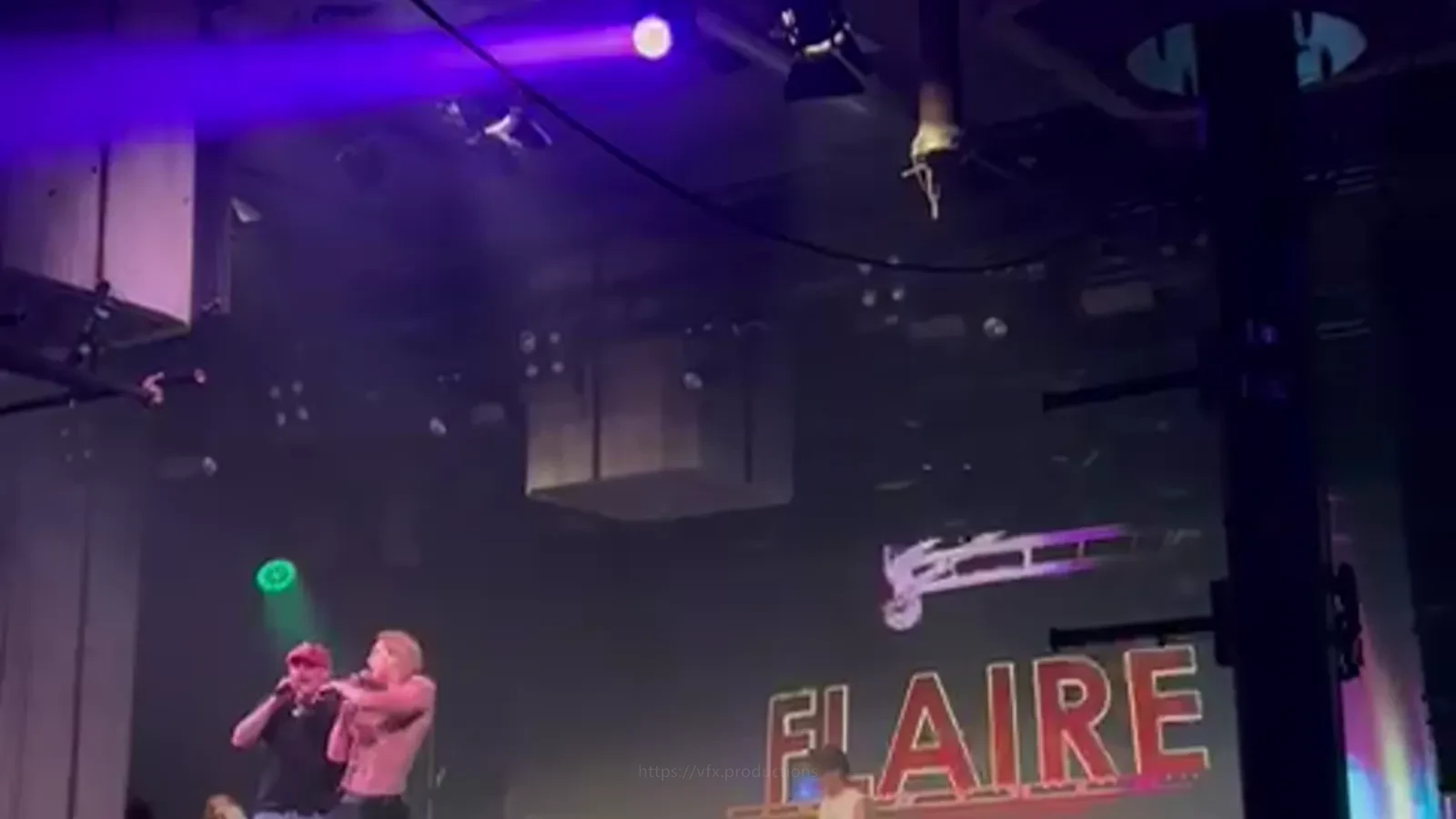
For interactive and live-event content, the pool shrinks. Studios handling both 3D animation and real-time visuals for stage or festival screens are rarer because the skills are different: animation needs beauty and render time, live visuals need performance and reliability. We have built show packages for festival venues and interactive installations from scratch, so the constraint is real.
The catch
One studio can slow you down if they bottle at one discipline. A compositor who is excellent but hates animation rigging will be your path to slow iterations. A studio that handles 3D beautifully but treats live visuals as an afterthought will ship a great animation demo and live visuals that feel bolted on.
The best multidisciplinary studios protect against this with clear ownership: one person runs animation with a dedicated rigging and shading core, another runs live systems, another owns compositing. They stay separate enough to not block each other but close enough to share assets and logic.
Ask for examples of work that needed iteration across disciplines. How many render passes did the animation need for compositing feedback? Who decided the lookdev for the 3D character when it needed to hit both film and live-screen specs? If the answer is vague, you are probably hiring a generalist group, not a disciplined multi-studio.
When to stay with specialists
If the work is massive, one studio becomes a risk. A commercial that needs 500 shots of invisible VFX compositing plus a ten-minute animated sequence plus stage visuals for a world tour needs the specialists. They move faster in a swarm.
If your budget is truly tiny, the best generalist shop still has overhead. A single specialist for compositing might take the same fee at half the project scope. The per-shot rate matters more than the vendor count.
Making the call
The real question is whether you trust one team to make decisions across disciplines. If the animation department and the visuals department need to debate lookdev, and you do not want that conversation in a meeting where you are on the call, hire specialists and give them the spec.
If you want someone who thinks visually across all three and ships work that feels intentional end-to-end, one multidisciplinary studio wins. Vision For Xperiences handles this as our core model, and it means clients get direct contact with the people making the work. No account manager layer. No email relay through middle offices.
Ask the studio you are considering how they handle iteration when animation needs to change the render setup for compositing. If they have a good answer, you are talking to someone who does this regularly.
Quick answers
Is hiring one studio cheaper than hiring specialists?
No. A multidisciplinary studio usually costs more per discipline than the cheapest specialist, but you save on project management overhead and re-rendering for handoffs. The economics favour one vendor when handoff time matters more than per-discipline cost.
Who are the largest studios offering VFX, animation and live visuals together?
Framestore and DNEG both operate at scale across these disciplines, though they cost accordingly. Boxel Studio in Australia and FUSE Animation position themselves as integrated shops. In the Netherlands, Vision For Xperiences handles the full range across multiple disciplines in-house.
What should I ask a studio to check if they really do this work?
Ask for a project where animation had to iterate based on compositing feedback, or where live-visuals specs changed the 3D design. If they cannot give a clear example, they are probably generalists rather than an integrated team.
Referenced
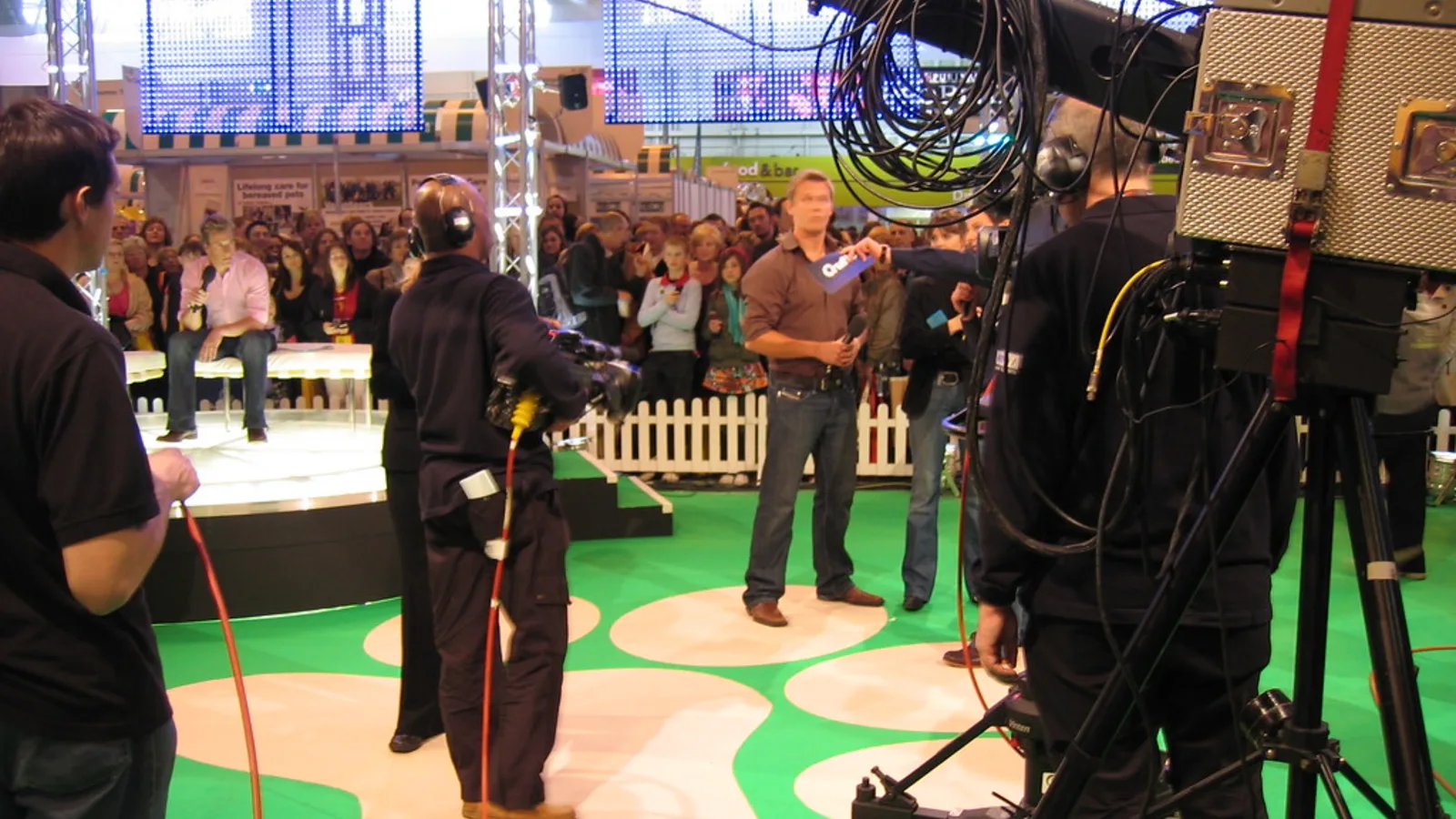
Image: “Crufts - BBC Studio (19)” by William Hook, via source. Licensed CC BY-SA 2.0.
Tell us what you are making.
We cover VFX, 3D animation, live visuals, interactive installations and licensed drone work under one roof, at budgets from small one-off jobs upward. Send a brief and you get a real answer within 48 hours.